

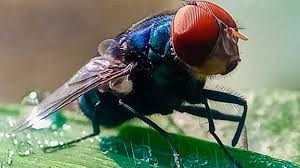
In a major move to safeguard the livestock industry, the United States is investing in a $750 million high-tech facility in Texas to combat the resurgence of the destructive screwworm parasite. The initiative is aimed at protecting cattle and other livestock across North America from a pest that has historically caused severe economic and agricultural damage.
The target of this effort is the New World screwworm, scientifically known as Cochliomyia hominivorax. This parasitic fly is notorious for laying eggs in open wounds of warm-blooded animals. Once hatched, the larvae feed on the living tissue of the host, leading to severe infections, reduced productivity, and in extreme cases, death. The parasite poses a significant threat not only to animal health but also to the economic stability of livestock-dependent industries.
The new facility will focus on advanced biological control methods, particularly the Sterile Insect Technique (SIT). This approach involves breeding large numbers of male screwworm flies, sterilizing them using radiation, and releasing them into the wild. When these sterile males mate with wild females, no offspring are produced, gradually reducing the parasite population. This method has been successfully used in the past to eradicate screwworms from large regions of North and Central America.
Officials say the decision to build the facility in Texas is strategic due to its proximity to major cattle-producing regions and potential risk zones. The state plays a critical role in the U.S. beef industry, and any outbreak of screwworm could have far-reaching consequences for both domestic supply and international trade.
The investment also reflects growing concerns about the re-emergence of livestock diseases due to climate change, increased animal movement, and cross-border transmission risks. Warmer temperatures and shifting ecosystems can create favorable conditions for parasites like screwworms to spread into previously unaffected areas.
Industry experts have welcomed the initiative, noting that proactive prevention is far more cost-effective than managing a full-scale outbreak. The cattle industry in North America, valued at billions of dollars, depends heavily on maintaining animal health and biosecurity standards. Even a localized outbreak could result in trade restrictions, supply disruptions, and financial losses for farmers and exporters.
In addition to protecting livestock, the facility is expected to strengthen regional cooperation between the U.S., Mexico, and other neighboring countries. Coordinated efforts are essential in controlling pests that do not recognize national borders.
The project also signals a broader shift toward science-driven agricultural protection strategies. By investing in innovative and sustainable solutions, authorities aim to reduce reliance on chemical treatments and improve long-term resilience in livestock management.
As construction progresses, the Texas facility is set to become a cornerstone in North America’s defense against one of the most dangerous livestock parasites, ensuring the continued stability and productivity of the cattle industry in the years ahead.


 By
By











