Agricultural producers across Australia are scaling back crop production as surging fuel and fertilizer costs continue to squeeze farm profitability, raising concerns over possible food supply shortages in the months ahead. Industry observers warn that reduced output could affect the availability of essential food items, including fruits, vegetables, and dairy products, both domestically and in export markets.
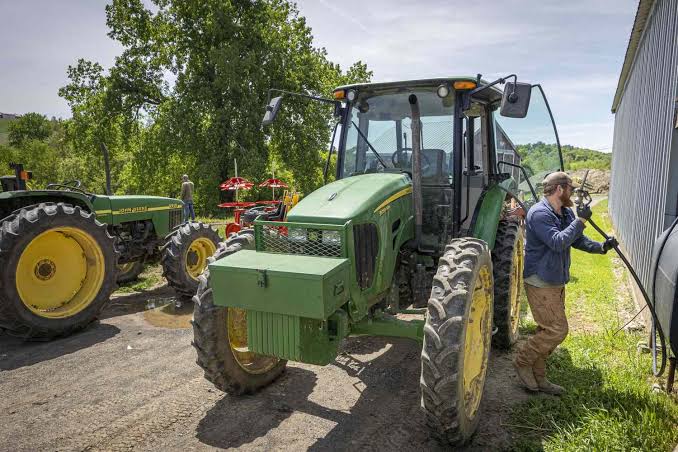
Over the past year, Australian farmers have faced a steady increase in diesel prices—critical for operating machinery, irrigation systems, and transportation. At the same time, fertilizer costs have risen sharply due to global supply disruptions and high energy prices, making it increasingly expensive to maintain optimal crop yields. For many producers, especially small and medium-scale farmers, these rising input costs are no longer sustainable.
As a result, some farmers are choosing to reduce planting areas, switch to less input-intensive crops, or delay production cycles altogether. While these strategies help manage immediate financial pressure, they also contribute to lower overall agricultural output. In sectors like horticulture, where consistent supply is crucial, even a slight reduction in production can quickly lead to market imbalances.
The dairy industry is also feeling the impact. Higher feed and fuel costs are increasing the cost of milk production, prompting some farmers to cut herd sizes or limit expansion plans. This could result in reduced milk supply, eventually affecting the availability and pricing of dairy products such as butter, cheese, and milk powders.
Supply chain dynamics further complicate the situation. Australia is a major exporter of agricultural commodities, and any production slowdown can influence global markets, particularly in Asia where demand for Australian produce is strong. At the same time, domestic consumers may face rising food prices as retailers pass on increased costs.
Agricultural economists highlight that the issue is part of a broader global trend, where farmers are grappling with input inflation driven by geopolitical tensions, energy market volatility, and climate-related disruptions. In Australia’s case, the vast distances involved in transporting goods also amplify fuel-related expenses, making the system particularly sensitive to price fluctuations.
Government authorities and industry groups are closely monitoring the developments. There are growing calls for policy interventions, including fuel subsidies, financial assistance, and measures to stabilize fertilizer supply. Some experts are also advocating for long-term solutions such as investing in renewable energy for farms and promoting efficient nutrient management practices to reduce dependency on costly inputs.
If the current trend continues, Australia could face periodic shortages of fresh produce and dairy items, along with sustained food price inflation. The situation underscores the vulnerability of modern agriculture to input cost shocks and highlights the need for resilient, cost-efficient farming systems.
As farmers adapt to these economic pressures, the coming seasons will be critical in determining whether Australia can maintain stable food supplies or face a tightening of its agricultural output.


 By
By