Artificial intelligence (AI) and robotics emerged as key enablers of the future of farming at a recent international agriculture summit, where experts, researchers, policymakers, and industry leaders discussed how advanced technologies are reshaping global agricultural systems. The discussions highlighted the growing role of tech-led innovation in improving farm productivity, sustainability, and resilience amid mounting environmental and economic pressures.
Speakers emphasized that AI-driven tools are increasingly being used to support data-based decision-making across the agricultural value chain. Applications such as predictive analytics, satellite imagery, and machine learning models are helping farmers optimize input use, forecast yields, detect pest and disease outbreaks early, and manage climate-related risks more effectively. These technologies enable precision agriculture practices that reduce waste while improving crop performance and profitability.
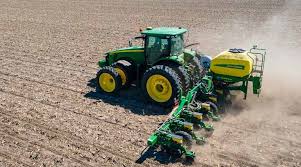
Robotics was another major focus of the summit, with discussions centered on autonomous machinery, robotic harvesters, and automated weeding and spraying systems. Experts noted that robotics can significantly improve operational efficiency by addressing labor shortages, lowering production costs, and enhancing consistency in farm operations. Precision robotics also contribute to sustainability goals by minimizing chemical usage, reducing soil compaction, and improving resource efficiency.
A recurring theme at the congress was the role of AI and robotics in tackling climate change and water scarcity. Smart irrigation systems powered by sensors and AI algorithms are helping farmers apply water more efficiently, while climate models integrated with farm management platforms support adaptive planning under variable weather conditions. These innovations are particularly critical for regions facing increasing climate volatility and resource constraints.
Participants also stressed the importance of making advanced technologies accessible and scalable, especially for small and medium-scale farmers. Collaboration between governments, research institutions, startups, and agribusinesses was identified as essential to accelerate adoption, build digital infrastructure, and provide training and support at the grassroots level.
The summit concluded with a consensus that AI and robotics will play a central role in shaping resilient and sustainable agricultural systems. By combining technological innovation with practical field application, the agriculture sector can better address climate challenges, improve resource efficiency, and ensure long-term food security in a rapidly changing global environment.

 By
By