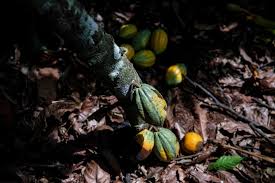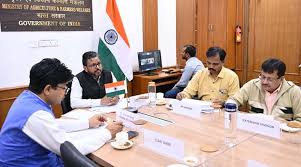
The Indian state of Andhra Pradesh has set an ambitious goal of achieving 500 lakh tonnes of horticulture production, signaling a major push to strengthen its position as one of the country’s leading producers of fruits, vegetables, spices, and plantation crops. The target is part of a broader strategy to expand cultivated areas and significantly improve irrigation infrastructure across the state.
State agriculture officials said the plan focuses on increasing acreage under horticulture crops while improving productivity through better water management and modern farming practices. Expansion of micro-irrigation systems, including drip and sprinkler networks, is expected to play a central role in supporting the growth target, particularly in water-stressed regions.
Andhra Pradesh already ranks among India’s top horticulture-producing states, supported by favorable climatic conditions and a diverse crop base that includes mango, banana, citrus, tomato, chili, and oil palm. Authorities aim to further capitalize on this advantage by bringing additional land under high-value horticulture crops and encouraging crop diversification among farmers.
Investments are also being directed toward strengthening post-harvest infrastructure such as cold storage facilities, pack houses, and processing units. Officials believe reducing post-harvest losses and improving supply chain efficiency will be key to achieving higher marketable output and better price realization for farmers.
The government plans to promote farmer producer organizations (FPOs) and provide technical support, quality planting material, and access to credit to help small and marginal farmers participate in the horticulture expansion. Training programs focused on climate-resilient practices and efficient resource use are also expected to be scaled up.
Experts note that rising domestic demand for fruits and vegetables, along with export opportunities, makes horticulture a critical growth driver for the agricultural economy. However, they stress that timely execution of irrigation projects and consistent policy support will be essential to meet the ambitious production goal.
If successful, the initiative could enhance farm incomes, generate rural employment, and strengthen Andhra Pradesh’s role in India’s horticulture supply chain.


 By
By