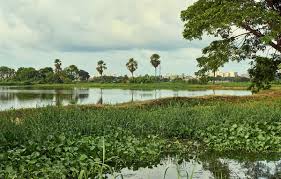
Researchers and environmental experts are promoting artificial wetlands as an effective nature-based solution to improve water quality, enhance biodiversity, and strengthen sustainable farming systems. The approach gained renewed attention on World Wetlands Day, where scientists emphasized the role of ecosystem-based infrastructure in modern agriculture.
Artificial wetlands—also known as constructed wetlands—are engineered ecosystems designed to replicate the natural filtration functions of marshes and swamps. In agricultural landscapes, they are strategically installed to intercept runoff from fields before it enters rivers, lakes, or groundwater systems. These wetlands use plants, soil microorganisms, and sedimentation processes to remove excess nutrients such as nitrogen and phosphorus, along with pesticide residues and suspended solids.
Agricultural runoff is a major contributor to water pollution globally, leading to eutrophication, harmful algal blooms, and degraded aquatic habitats. By integrating artificial wetlands into farm drainage systems, researchers have demonstrated measurable reductions in nutrient loading and improved downstream water quality.
Beyond pollution control, constructed wetlands contribute to circular agriculture practices. Nutrients captured in wetland biomass can potentially be recycled back into farming systems, reducing dependence on synthetic fertilizers. Additionally, wetlands create microhabitats that support birds, pollinators, amphibians, and beneficial insects—strengthening on-farm biodiversity.
Experts note that artificial wetlands are cost-effective compared to conventional water treatment infrastructure and offer long-term ecological benefits. They also enhance climate resilience by regulating water flow, mitigating floods, and storing carbon in wetland soils. These multiple ecosystem services position artificial wetlands as a strategic component of climate-smart agriculture.
Institutions such as the Food and Agriculture Organization have advocated integrating ecosystem services into agricultural policy frameworks. Promoters argue that embedding nature-based solutions within farming systems can help balance productivity goals with environmental stewardship.
However, researchers stress that proper design, maintenance, and monitoring are essential to maximize effectiveness. Site selection, plant species diversity, and hydrological management determine the long-term success of constructed wetlands.
As global agriculture seeks sustainable pathways to feed a growing population, artificial wetlands represent a practical and scalable intervention. By combining environmental protection with agricultural productivity, they exemplify how ecological engineering can align farming systems with broader sustainability and biodiversity objectives.

 By
By