In a major push to accelerate agricultural innovation, the state of Queensland has announced a $30 million agri-tech fund aimed at boosting productivity, sustainability, and global competitiveness in the farming sector. The initiative reflects a growing emphasis on technology-driven agriculture as producers face rising input costs, climate pressures, and evolving market demands.
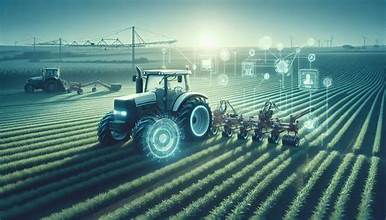
The newly launched fund will support the development and adoption of advanced agri-tech solutions, including precision farming tools, artificial intelligence-based crop monitoring systems, robotics, and data-driven decision-making platforms. By encouraging collaboration between farmers, startups, and research institutions, the program aims to fast-track innovation from concept to field-level application.
Officials in Australia highlighted that the investment is designed to strengthen the state’s position as a leader in modern agriculture. Queensland’s diverse agricultural base—ranging from grains and horticulture to livestock—provides a strong foundation for testing and scaling new technologies that can improve efficiency and resilience.
A key focus of the fund will be enhancing productivity while reducing environmental impact. Technologies such as smart irrigation systems, remote sensing, and automated machinery are expected to help farmers optimize resource use, lower water consumption, and minimize chemical inputs. These advancements are particularly important as climate variability continues to challenge traditional farming practices.
Startups and agri-tech companies are likely to be major beneficiaries of the initiative. The fund will provide financial support, grants, and potential partnerships to encourage innovation in areas such as soil health monitoring, supply chain digitization, and climate-smart agriculture. This is expected to create new business opportunities while strengthening the overall agricultural ecosystem.
Industry experts believe that investments like this are crucial for the future of farming. With global food demand steadily rising, improving productivity without expanding land use has become a key priority. Agri-tech solutions offer a pathway to achieve this by enabling farmers to produce more with fewer resources.
The initiative also underscores the importance of digital transformation in agriculture. Data analytics, satellite imaging, and Internet of Things (IoT) devices are increasingly being integrated into farm operations, allowing for real-time monitoring and more precise interventions. This shift not only improves yields but also reduces risks associated with unpredictable weather and pest outbreaks.
Moreover, the fund is expected to contribute to job creation and skill development in rural areas. As technology adoption increases, there will be a growing need for skilled professionals in areas such as agri-informatics, drone operations, and farm automation.
Overall, Queensland’s $30 million agri-tech fund marks a significant step toward building a more innovative and resilient agricultural sector. By investing in cutting-edge solutions and fostering collaboration, the initiative is set to enhance productivity, support farmers, and position Australia at the forefront of global agricultural technology advancements.


 By
By