

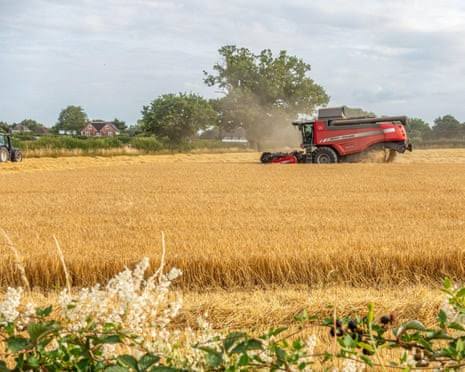
Austria is expecting a significant decline in its 2026 grain harvest as persistent heat and dry weather conditions affect agricultural production across the country. The country’s agricultural authority estimates that the grain harvest could be around 19% smaller than the previous year, highlighting the growing impact of extreme weather on European agriculture.
The situation comes after a hot and dry summer across several parts of Europe. Reduced rainfall and elevated temperatures have increased water stress in agricultural areas, affecting the development and yield potential of important crops.
Grain Production Under Pressure
Grain crops have been particularly affected by the combination of high temperatures and limited moisture. Adequate water availability is essential during key growth stages, and prolonged dry conditions can restrict plant development and reduce grain formation.
Austria’s expected 19% decline represents a substantial reduction in production and could have implications for farmers, grain traders and the country’s agricultural economy.
The impact of drought is not limited to wheat and other cereals. Maize has also experienced severe water stress, raising concerns about yields and crop quality in affected production areas.
Heat and Drought Affect European Agriculture
Austria’s situation reflects a wider challenge facing European agriculture. Hot and dry weather has affected crop-growing conditions in multiple regions, increasing irrigation demand and putting pressure on available water resources.
Extreme temperatures can accelerate crop development, reducing the time available for plants to build biomass and fill grain. When high temperatures occur alongside insufficient rainfall, the effects can become more severe.
For rain-fed farms, the risks are particularly significant because producers have limited ability to compensate for prolonged moisture shortages.
Maize Faces Severe Water Stress
Maize requires significant amounts of water during important stages of growth. Severe water stress can reduce plant growth, affect pollination and ultimately lower grain yields.
Austria’s maize producers are therefore facing additional challenges following the dry summer. Where irrigation is unavailable or insufficient, farmers may have limited options to protect crops during extended periods of heat and drought.
The situation could also influence feed availability for livestock producers if maize production declines significantly.
Impact on Farmers and Markets
A smaller grain harvest could reduce farm revenues and increase pressure on agricultural businesses already facing elevated production costs. Farmers may also need to reconsider crop choices and water-management strategies for future seasons.
Lower domestic production could increase the need for grain purchases from other European markets, depending on demand and available stocks. If weather-related production losses occur across several countries simultaneously, regional grain markets could face additional price pressure.
Growing Importance of Climate Adaptation
The expected decline in Austria’s harvest highlights the importance of climate adaptation in European agriculture. Farmers may increasingly need to adopt drought-tolerant crop varieties, improve soil moisture retention and use water resources more efficiently.
Practices such as conservation tillage, maintaining soil organic matter and improving irrigation efficiency can help farms cope with periods of limited rainfall.
Agricultural research will also play an important role in developing crop varieties capable of maintaining productivity under higher temperatures and irregular rainfall.
Outlook
Austria’s expected 19% reduction in the 2026 grain harvest demonstrates how quickly extreme weather can affect agricultural production. The severe water stress experienced by maize further illustrates the vulnerability of crops to prolonged heat and drought.
As climate variability increases, European farmers and policymakers will need to strengthen drought preparedness, improve water management and promote climate-resilient farming practices.
The Austrian harvest outlook is therefore not only a national agricultural concern but also part of a broader European trend in which heat, water shortages and changing weather patterns are becoming increasingly important factors in crop production and food security.


 By
By











