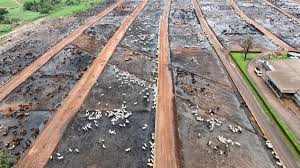
A comprehensive new global assessment has revealed that beef production is the single biggest contributor to agriculture-related deforestation, accounting for nearly 40% of total forest loss linked to farming between 2001 and 2022. The analysis, which examined deforestation patterns across major agricultural frontiers, underscores the urgent need for stronger land-use regulation, sustainable livestock practices, and international cooperation to curb environmental degradation.
According to the study, Brazil remains the epicentre of beef-driven deforestation, reflecting decades of forest clearing for pasture expansion, particularly in the Amazon and Cerrado. Despite various policy interventions and periods of reduced forest loss, cattle ranching continues to dominate land-use conversion in the region. Researchers note that demand for beef—both domestic and export-driven—remains a key economic force shaping land conversion.
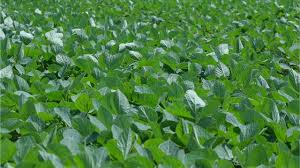
While beef is the largest contributor, the report also highlights the significant impact of other globally traded commodities, including palm oil, soybeans, cocoa, and rubber, which together drive substantial forest clearing in Southeast Asia, West Africa, and parts of South America. In regions like Indonesia and Malaysia, palm oil expansion continues to pressure tropical forests, while soy cultivation in South America contributes to habitat loss that threatens biodiversity and carbon stocks.
Experts warn that global supply chains play a major role in these trends, as much of the agricultural output linked to deforestation caters to international markets. The study stresses that improving transparency, enhancing traceability, and strengthening zero-deforestation commitments from major corporations are critical steps toward reversing forest loss.
The findings add urgency to global climate discussions, as deforestation remains a major source of greenhouse gas emissions. Policymakers and environmental groups argue that aligning agricultural growth with conservation goals is no longer optional—it is essential. The authors recommend tighter enforcement of land-use laws, incentives for sustainable grazing systems, restoration of degraded lands, and broader adoption of deforestation-free certification schemes.
With forests serving as crucial carbon sinks and biodiversity reservoirs, the report concludes that addressing the deforestation footprint of beef and other agricultural commodities will be central to meeting global climate and sustainability targets over the coming decades.


 By
By