

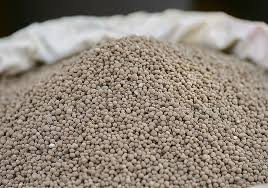
Global fertilizer markets continue to experience sustained price pressure, with phosphate and potash prices remaining elevated due to persistent supply constraints, trade barriers, and geopolitical uncertainties. Industry analysts report that despite seasonal demand fluctuations, structural challenges in production and global movement of fertilizers are keeping markets tight, with stability—rather than significant price relief—expected through 2026.
Phosphate markets remain constrained as production bottlenecks, energy-related cost volatility, and export limitations from key suppliers continue to impact global distribution. Several major producing regions have faced input cost pressures, particularly for sulfur and ammonia, leading to firm pricing and reduced flexibility for downward adjustments.
Potash markets show a similar trend, influenced by sanctions, trade restrictions, and limited supply diversification. The absence of fully restored export flows from certain Eastern European origins continues to tighten availability, particularly for major import-dependent regions across Asia and Latin America. Analysts note that even as demand stabilizes, the structural supply-side limitations are keeping prices at historically elevated bands.
Tariff pressures—especially on shipments entering North American and select Asian markets—are further shaping import decisions and shifting trade patterns. These policy factors, combined with logistical bottlenecks and high freight rates, are reinforcing expectations that potash and phosphate prices will remain firm over the medium term.
Forecasts for 2024–2026 suggest a market characterized by stable-to-tight supply, with limited room for significant decline in global benchmark prices. While longer-term demand growth remains linked to global crop production and soil nutrient needs, near-term procurement strategies are expected to be cautious as buyers navigate price uncertainty and evolving regulatory landscapes.
Analysts emphasize that fertilizer affordability will remain a key concern for producers in developing regions, potentially influencing application rates and impacting yield potential in some cropping systems.


 By
By











