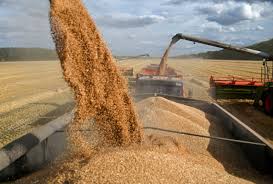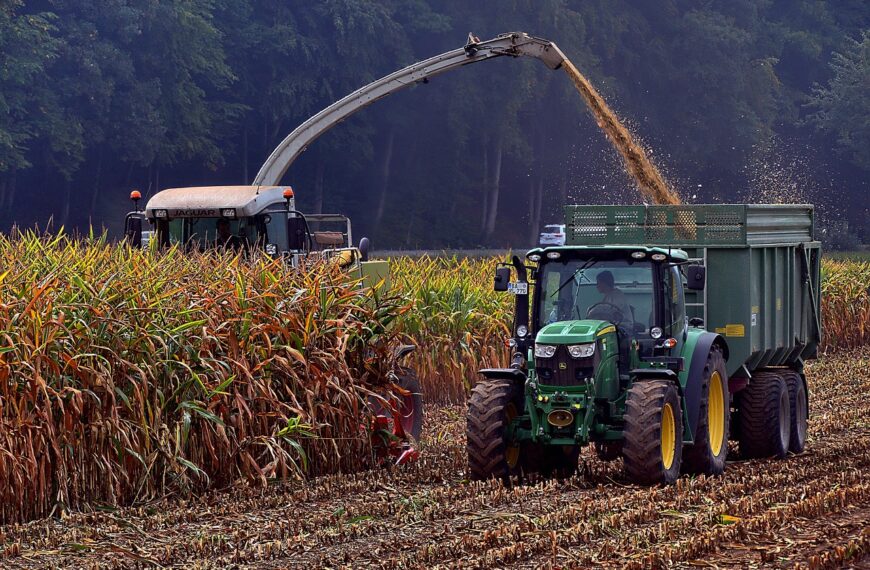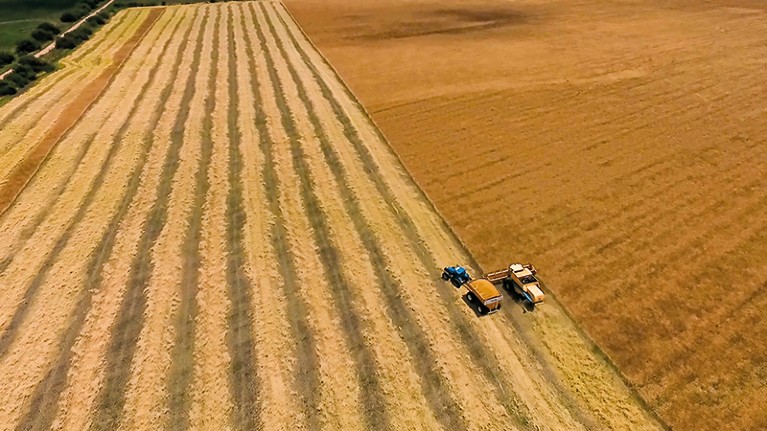
A new study suggests that global biofuel policies require urgent redesign to better align with long-term climate goals. According to researchers, current incentive structures often prioritize production volumes rather than environmental outcomes, limiting their potential to meaningfully reduce emissions.
The study proposes redirecting biofuel incentives toward climate-smart farming practices, including no-till cultivation, cover cropping, diversified rotations, and improved soil management. Such measures can significantly increase carbon sequestration and reduce reliance on emissions-intensive farming techniques.
Researchers estimate that integrating sustainability requirements into biofuel policy frameworks could reduce global greenhouse gas emissions by billions of tonnes over the coming decades. They argue that aligning agricultural practices with energy-sector regulations is essential for ensuring that biofuels deliver genuine climate benefits rather than shifting environmental burdens elsewhere.
The findings, reported by the Jacksonville Journal-Courier, add momentum to ongoing international discussions on how to balance renewable energy targets with food security, biodiversity protection, and sustainable land use.
Smart Herding Initiative Gains Momentum in Kazakhstan
Kazakhstan is advancing efforts to modernize its livestock sector through “smart herding” practices that combine traditional pastoral knowledge with modern digital tools. The initiative focuses on strengthening rangeland management, improving animal health monitoring, and increasing productivity across the country’s vast grazing landscapes.
Smart herding models typically integrate GPS tracking, remote monitoring, and data-driven feed planning to help herders manage livestock more efficiently and sustainably. By improving grazing patterns and reducing pressure on fragile ecosystems, the approach aims to boost resilience against climate risks such as drought and pasture degradation.
Agricultural specialists note that Kazakhstan—home to one of the world’s largest grassland ecosystems—has significant potential to benefit from technology-enabled livestock systems. The initiative is also seen as an opportunity to improve rural livelihoods while supporting the country’s climate adaptation goals.


 By
By