

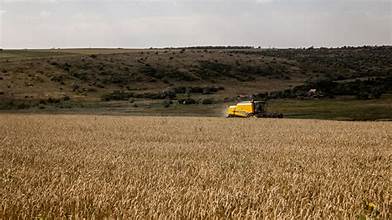
Global wheat prices have moved higher following renewed security concerns in the Black Sea region, where recent attacks on commercial vessels have disrupted key grain shipping routes. The developments have raised fears of supply interruptions from one of the world’s most important grain-exporting regions, prompting increased activity in international commodity markets.
The Black Sea plays a vital role in global agricultural trade, serving as a major export corridor for wheat, maize, barley, and other grains. Several countries in the region are among the world’s leading grain suppliers, making uninterrupted maritime transport essential for maintaining stable food supplies across Asia, Africa, the Middle East, and Europe.
The latest escalation has led shipping companies and insurers to reassess risks associated with operating in the area. Some vessels have experienced delays or route changes, while higher insurance premiums and freight costs have added pressure to the grain trade. As a result, buyers and traders are closely monitoring the situation, anticipating possible disruptions to future exports.
Commodity markets reacted quickly, with wheat futures recording gains as concerns over reduced shipments fueled expectations of tighter global supplies. Analysts note that even temporary interruptions in exports from the Black Sea can influence international grain prices because many importing nations depend heavily on the region for affordable wheat.
Higher wheat prices could have a ripple effect across the global food industry. Wheat is a key ingredient in flour, bread, pasta, biscuits, and several processed food products. If elevated prices continue, flour mills and food manufacturers may face increased production costs, which could eventually affect retail food prices in many countries.
Agricultural economists, however, believe that the overall impact on food availability may remain manageable if disruptions are short-lived. Global wheat inventories remain relatively comfortable following favorable harvests in several producing nations over the past year. Strong production in other exporting countries may help offset part of the supply risk if Black Sea shipments slow temporarily.
Import-dependent nations are expected to diversify their procurement strategies by increasing purchases from alternative suppliers. Countries with surplus wheat production may benefit from stronger export demand, while importing governments could expand strategic grain purchases to safeguard domestic food security.
Shipping companies are also exploring alternative maritime routes where feasible, although these options may involve longer transit times and higher transportation costs. Market participants expect freight rates to remain volatile until the security situation in the Black Sea becomes more stable.
Governments and international organizations continue to monitor developments closely, emphasizing the importance of keeping agricultural trade flowing to prevent unnecessary disruptions in global food markets. Open trade channels and coordinated international efforts are considered essential to maintaining stable grain supplies during periods of geopolitical uncertainty.
For farmers in wheat-exporting countries outside the Black Sea region, stronger international prices could provide improved marketing opportunities. However, food-importing nations may face additional challenges in managing procurement costs, particularly if geopolitical tensions persist over an extended period.
Market experts stress that weather conditions, crop production forecasts, and export policies will continue to influence wheat prices alongside geopolitical developments. While current concerns have supported prices, future market movements will largely depend on how quickly shipping operations normalize and whether global grain supplies remain sufficient to meet demand.
Overall, renewed tensions in the Black Sea have highlighted the strategic importance of secure trade routes for global agriculture. Although current grain stocks offer some protection against immediate shortages, continued instability in one of the world’s largest grain-exporting regions is likely to keep international wheat markets sensitive in the months ahead.


 By
By











