

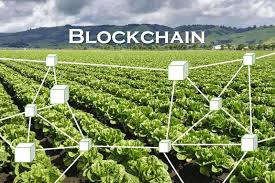
The global market for blockchain applications in agriculture is projected to expand dramatically, rising from approximately US$352.56 million in 2024 to an estimated US$5.57 billion by 2032. The forecast signals accelerating digital transformation across agri-food supply chains, with blockchain emerging as a foundational technology for traceability, transparency, and data integrity.
Blockchain—essentially a distributed ledger system—enables immutable recording of transactions across decentralized networks. In agriculture, its primary value proposition lies in end-to-end supply chain visibility. From seed sourcing and farm production to processing, logistics, and retail distribution, blockchain platforms can create tamper-resistant records that enhance trust among stakeholders.
Food traceability is a major growth driver. Increasing regulatory scrutiny and consumer demand for provenance verification have pushed agribusinesses to adopt digital tracking tools. Retailers and exporters are particularly focused on real-time traceability to mitigate food fraud, contamination risks, and compliance failures. Blockchain systems allow rapid product recalls by precisely identifying affected batches, reducing financial and reputational damage.
Large multinational firms such as IBM have already developed blockchain-based food traceability platforms, often in collaboration with global retailers like Walmart. These initiatives demonstrate the scalability of distributed ledger technology in complex agricultural value chains.
Beyond traceability, blockchain adoption is expanding into digital farm services. Smart contracts can automate crop insurance payouts based on weather data triggers, streamline subsidy disbursements, and facilitate transparent commodity trading. Integration with Internet of Things (IoT) sensors further enhances on-farm data collection, enabling precise monitoring of soil conditions, irrigation patterns, and input usage.
Developing economies are also exploring blockchain to strengthen agricultural financing. By creating verifiable transaction histories, smallholder farmers can build digital credit profiles, improving access to formal lending channels. Transparent payment systems reduce intermediary layers and enhance farmer income realization.
Despite strong growth projections, adoption challenges remain. Infrastructure gaps, interoperability issues, high initial investment costs, and limited digital literacy among rural producers can slow deployment. Additionally, regulatory clarity regarding data governance and cross-border digital transactions is still evolving in many jurisdictions.
Nevertheless, the projected surge to US$5.57 billion by 2032 reflects growing institutional confidence in blockchain’s role within agri-food modernization. As climate risks, food safety concerns, and supply chain disruptions intensify globally, demand for secure, transparent, and resilient digital systems is expected to accelerate.
The rapid expansion of blockchain in agriculture underscores a broader structural shift: data is becoming as critical as land and labor in determining farm productivity, market access, and long-term competitiveness in the global food economy.


 By
By











