Brazil and Mexico have taken a major step forward in strengthening bilateral relations by advancing new agreements focused on agriculture and biofuels trade. The move signals closer cooperation between two of Latin America’s largest economies and is expected to boost regional food security and sustainable energy development.
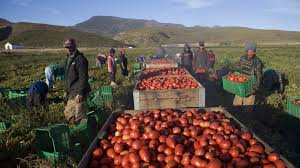
Officials from both countries confirmed that discussions centered on expanding the exchange of key agricultural commodities, including soybeans, corn, sugar, and meat products, while also creating new opportunities in the fast-growing biofuels sector. Brazil, a global leader in ethanol production from sugarcane, is looking to share expertise and increase exports to Mexico, which has been seeking cleaner and more affordable energy alternatives.
Agriculture ministers emphasized that the deals will not only strengthen trade flows but also contribute to addressing climate change goals by encouraging the use of renewable fuels. The two nations are working toward frameworks that will promote joint research, technology transfer, and sustainable farming practices.
For Mexico, greater access to Brazilian ethanol and biofuel technologies could help reduce dependency on fossil fuels, while Brazil sees the partnership as a chance to expand its influence in the North American market. Both sides have highlighted that cooperation in agriculture will also stabilize food supplies and support farmers through improved market access.
Experts note that the agreements could serve as a model for wider regional integration in Latin America, aligning food production with clean energy initiatives. Analysts predict that enhanced trade could strengthen both economies, open up new export markets, and support rural communities.
As negotiations progress, industry leaders are optimistic that these partnerships will pave the way for sustainable growth in both agriculture and renewable energy sectors, marking an important milestone in Brazil-Mexico relations.

 By
By