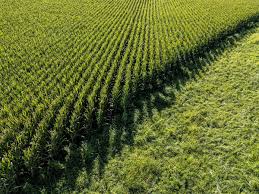
Canadian grain producers have reported record-breaking spring wheat and canola harvests this season, demonstrating resilience in the face of climate volatility and challenging growing conditions. Analysts attribute the unusually strong yields to a combination of adaptive farming practices, technological advancements, and favorable regional weather patterns during critical growth periods.
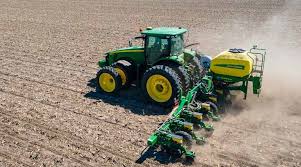
Farmers across the Prairie provinces—particularly Saskatchewan, Alberta, and Manitoba—have benefited from improved seed varieties, precision agriculture techniques, and more efficient irrigation systems, allowing them to optimize planting and harvesting even amid unpredictable temperatures and rainfall. These practices have helped mitigate the impact of occasional droughts, late frosts, and other weather-related stresses that have historically affected crop performance in the region.
The record harvest comes at a time of heightened demand for Canadian grains in international markets. Spring wheat continues to be a key export commodity, with strong interest from Asian and European buyers, while canola, valued for its edible oil and biofuel applications, has seen growing global demand. The combination of high yields and favorable market conditions is expected to boost farm revenues and support rural economies, although analysts caution that global price fluctuations could still affect overall profitability.
Government and industry stakeholders have emphasized the role of research and innovation in achieving these results. Investment in agronomic studies, crop protection technologies, and soil management strategies has enabled producers to adapt to changing environmental conditions and improve overall productivity. Additionally, collaboration between farmers, agronomists, and policy makers has facilitated timely access to resources and guidance for best practices.
While the record harvest is a positive development for Canada’s agricultural sector, experts note that ongoing monitoring of climate risks, market dynamics, and supply chain logistics will remain essential to sustaining production levels in future seasons. For now, farmers are celebrating an exceptionally productive year, which underscores the importance of technology, adaptation, and innovation in modern agriculture.

 By
By