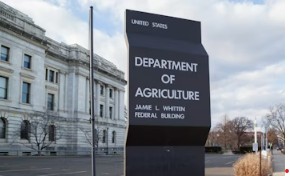
Global agricultural markets witnessed a slight shift as China resumed limited purchases of U.S. farm commodities following a high-level meeting between U.S. President Donald Trump and Chinese President Xi Jinping. This development marks the first agricultural trade movement between the two nations since October of last year, signaling cautious optimism about a potential easing of trade tensions.
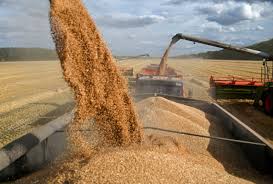
According to reports, China has arranged to buy two cargoes of U.S. wheat and one shipment of sorghum, breaking months of inactivity in agricultural trade. The move comes soon after China’s announcement to suspend certain retaliatory tariffs on U.S. goods starting November 10, including selected agricultural products.
While these purchases are modest in scale, they carry significant symbolic and strategic importance. They indicate a willingness by both sides to rebuild confidence in a relationship that has faced repeated strains over trade disputes, tariffs, and market access. Analysts suggest that these initial transactions could pave the way for broader negotiations and incremental liberalization in the months ahead.
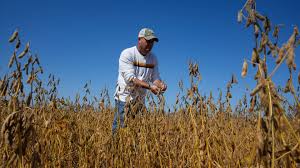
However, not all commodities are benefiting equally. The U.S. soybean sector, traditionally one of the biggest exporters to China, continues to struggle under a 13 percent import tariff, keeping American soybeans less competitive compared to Brazilian supplies. Brazil has maintained a strong foothold in the Chinese market during the trade rift, and experts note that it will take more than small purchases to restore U.S. market share.
Despite the positive tone, pricing dynamics and tariff barriers remain key challenges for expanding U.S. agricultural exports to China. The current purchases are viewed more as a diplomatic gesture than a significant market shift, but they have lifted sentiment among U.S. grain producers who have been facing lower prices and high inventories.
Industry observers emphasize that for a true trade normalization, both countries will need to engage in consistent, large-scale agricultural transactions and reduce existing tariff obstacles. Even so, the latest move has injected a sense of cautious optimism into global markets, suggesting that the world’s two largest economies may be edging toward a gradual trade reconciliation — one that could eventually restore balance in global agricultural commodity flows.
The development underscores how closely geopolitics and agriculture remain intertwined, influencing not just national economies but also the stability of global food and grain markets.


 By
By