China’s flower economy is experiencing a significant surge, according to new reporting from Xinhua, highlighting strong domestic demand and the country’s growing emphasis on diversified agricultural development. The rapid expansion of the sector underscores China’s broader economic resilience and its strategic shift toward high-value horticulture beyond traditional staple crops.
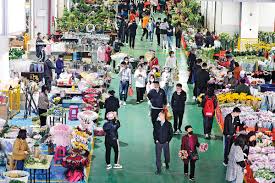
Industry data indicates that ornamental plants, cut flowers, and potted varieties are gaining unprecedented traction in both urban and rural markets. Consumer demand has been buoyed by rising household incomes, lifestyle changes, and the increasing popularity of floral products in home décor, gift culture, and online retail platforms. E-commerce channels, in particular, have emerged as powerful drivers of growth, enabling producers to reach national markets with greater efficiency.
Key production hubs such as Yunnan, Zhejiang, and Guangdong are scaling up greenhouse cultivation, advanced breeding programmes, and cold-chain logistics to meet expanding domestic and export requirements. Yunnan—often referred to as China’s “Kingdom of Flowers”—continues to lead the industry with sophisticated supply networks and year-round climate advantages that support high-quality output.
Analysts note that the booming flower economy reflects China’s wider push toward agricultural diversification and value addition. As policy frameworks encourage modernization, farmers are increasingly adopting greenhouse technology, precision irrigation, and improved seed varieties to boost productivity and meet quality standards. The sector’s growth is also contributing to rural employment, local entrepreneurship, and tourism development through flower-themed parks and festivals.
Economists believe the momentum in the flower industry signals stronger resilience within China’s rural economy, with high-value horticulture offering new revenue streams that complement staple crop production. As consumer preferences evolve and supply-chain capabilities strengthen, China’s flower sector is expected to remain a dynamic component of the country’s agricultural transformation and domestic consumption landscape.


 By
By