

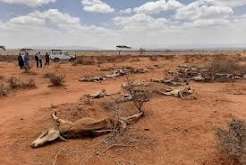
Climate change is continuing to intensify drought conditions across Europe, with several regions experiencing prolonged dry weather, rising temperatures, and increasing pressure on water resources. In a significant development, parts of Wales have officially declared drought conditions after recording one of the driest Julys in nearly 200 years, highlighting the growing impact of extreme weather on agriculture and food production.
According to environmental authorities, below-average rainfall combined with persistent heat has led to declining river levels, shrinking reservoirs, and dry soils across affected areas. The situation has raised concerns over water availability for agriculture, households, and industry, while farmers face mounting challenges in protecting crops during the critical growing season.
Agriculture is among the sectors most vulnerable to prolonged drought. Water shortages and intense heat stress are expected to reduce yields of important crops such as cereals, vegetables, potatoes, and forage crops. Dry soils limit seed germination, restrict plant growth, and reduce the ability of crops to absorb nutrients, ultimately affecting both productivity and quality.
Livestock farmers are also facing difficulties as pasture growth slows and water supplies become limited. Reduced availability of fresh grass and fodder may force farmers to purchase additional feed, increasing production costs. Heat stress can further affect animal health, lowering milk production, reducing weight gain, and impacting overall farm profitability.
Scientists warn that climate change is making droughts more frequent, longer-lasting, and more severe across many parts of Europe. Rising global temperatures increase evaporation from soils and water bodies, while changing rainfall patterns create longer dry spells punctuated by more intense rainfall events. These conditions reduce groundwater recharge and make water management increasingly difficult.
The economic impact of drought extends beyond agriculture. Lower crop production can tighten food supplies, contribute to higher market prices, and place additional pressure on rural economies. Food processing industries that depend on agricultural raw materials may also experience supply shortages, while reduced hydropower generation and increased demand for irrigation place further strain on water resources.
Environmental consequences are equally significant. Prolonged drought can damage wetlands, reduce biodiversity, increase the risk of wildfires, and affect freshwater ecosystems. Low river flows may also reduce water quality by concentrating pollutants and limiting oxygen levels, creating additional challenges for aquatic life.
Experts emphasize the need for long-term climate adaptation strategies to strengthen resilience against extreme weather. These include investing in efficient irrigation systems, improving water storage infrastructure, promoting drought-tolerant crop varieties, enhancing soil moisture conservation through regenerative farming practices, and strengthening early warning systems for farmers.
Governments across Europe are also encouraging responsible water use, monitoring reservoir levels, and preparing contingency plans to manage prolonged dry conditions. Collaboration between policymakers, researchers, and farming communities will be essential to reduce the impact of future droughts.
The declaration of drought conditions in parts of Wales serves as another reminder of the growing challenges posed by climate change. As extreme weather events become more common, building resilient agricultural systems and improving sustainable water management will be critical to protecting food production, rural livelihoods, and environmental resources across Europe in the years ahead.


 By
By











