Climate change is emerging as a major risk to the world’s banana supply, with leading production regions—particularly in Latin America—facing rising temperatures, shifting rainfall patterns, and increasing vulnerability to plant diseases. Agricultural scientists warn that without rapid adaptation, global banana markets could face significant disruptions in the coming decades.
Bananas are one of the most widely consumed fruits worldwide and a key export commodity for countries such as Ecuador, Costa Rica, Colombia, and Guatemala. These tropical regions traditionally offer ideal growing conditions, but climate models suggest that suitable farmland for banana cultivation may shrink as temperatures continue to rise. Many areas are projected to become too hot or too dry for optimal production, creating new challenges for farmers who rely heavily on this crop for their livelihoods.
One of the most pressing threats is the heightened spread of diseases such as Fusarium wilt Tropical Race 4 (TR4), a soil-borne fungus that has devastated banana farms across Asia and recently spread into Latin America. Warmer temperatures and unpredictable rainfall create favourable conditions for such diseases to take hold, leaving banana plants weakened and reducing yields. Because most commercial bananas are genetically identical, the global supply is particularly vulnerable to fast-moving infections.
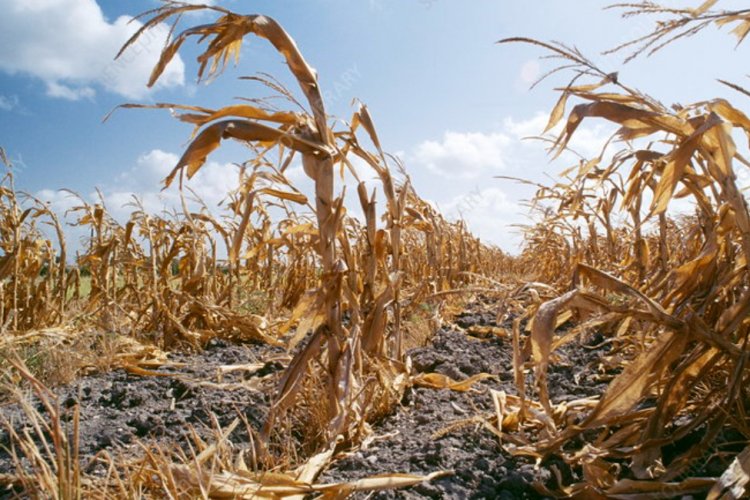
Prolonged droughts, intense heatwaves, and storm-related flooding are also affecting key growing regions. These weather extremes disrupt plant growth, damage infrastructure, reduce soil fertility, and increase production costs. In some areas, farmers are being forced to move cultivation to higher elevations or invest in expensive irrigation systems to maintain yields.
Economists caution that continued climate-related disruptions could lead to higher banana prices, reduced export volumes, and increased market instability. For millions of people in developing countries who rely on bananas as a staple food, supply shortages could also pose nutritional challenges. The crop plays a crucial role in food security, particularly in parts of Africa, Asia, and the Caribbean.
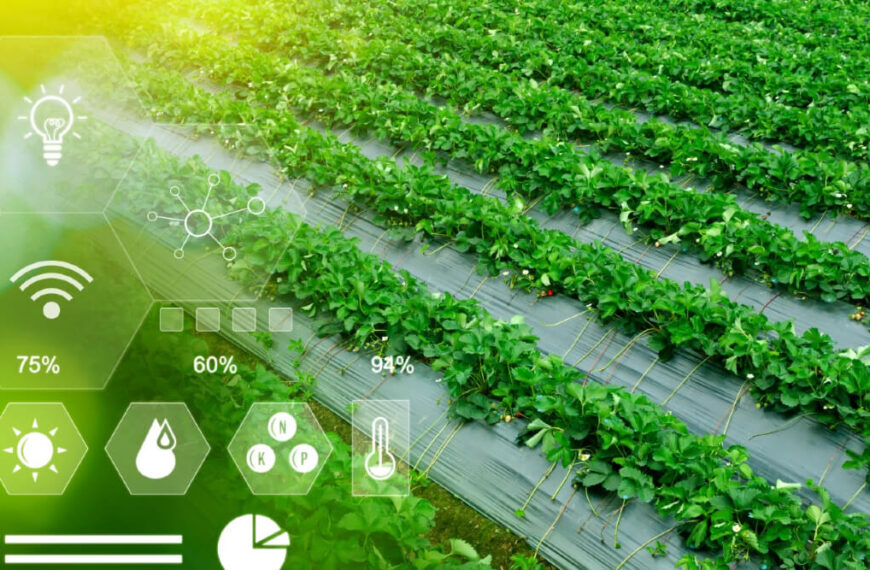
In response, researchers are working to develop more resilient banana varieties, including those with improved tolerance to heat, drought, and disease. Governments and industry groups are also exploring sustainable farming practices such as agroforestry, soil conservation, and precision irrigation to help reduce climate-related risks.
Despite these efforts, experts emphasize that global action on climate change will be critical for long-term stability in the banana sector. Without meaningful reductions in greenhouse gas emissions, the environmental pressures on banana-growing regions are expected to intensify.
As climate threats grow, the future of one of the world’s most important fruit crops is becoming increasingly uncertain, highlighting the urgent need for resilience planning across the entire banana supply chain.

 By
By