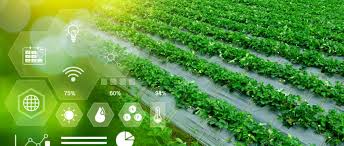
A recent global study released in 2025 warns that rising temperatures could dramatically reduce yields of staple crops worldwide, even when farmers adopt adaptation measures such as shifting planting dates, using climate-resilient crop varieties, and optimizing fertilizer use. The study highlights the growing vulnerability of global food systems to climate change, with potentially severe consequences for food security and market stability.
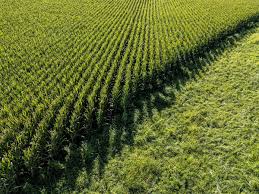
Under a high-emissions scenario, the research projects that calorie production from key staples—such as wheat, rice, and maize—could decline by approximately 24 percent by the end of the century compared to a scenario without climate change. Experts emphasize that this reduction would not only strain food supplies but also contribute to rising global food prices, disproportionately affecting low-income populations and regions heavily dependent on rain-fed agriculture.
“The reality is that even with the best adaptation strategies currently available, climate change is outpacing our ability to maintain stable crop production,” said one lead researcher. “This underscores the urgent need for more aggressive climate mitigation, alongside investment in resilient agricultural practices and innovation.”
The findings come amid broader concerns about global food security, where systemic pressures—including land degradation, monoculture cropping, uneven technology adoption, and biodiversity loss—already threaten rural livelihoods and nutrition. International organizations such as the FAO and the World Economic Forum have repeatedly stressed the importance of sustainable farming, land restoration, and support for smallholder farmers to ensure food systems can meet the demands of a growing global population.
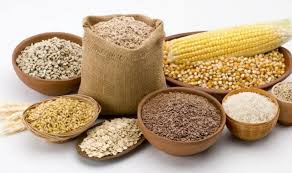
Analysts also warn that declining crop diversity—where just nine crops now account for nearly two-thirds of global production—exacerbates vulnerability. Homogenous cropping systems are more susceptible to pests, diseases, and climate extremes, making the projected yield losses even more concerning.
The study serves as a stark reminder that tackling climate change is inseparable from securing global food supplies. Policymakers and agricultural stakeholders are being urged to accelerate climate-smart initiatives, strengthen local food systems, and invest in innovation to safeguard both nutrition and livelihoods for future generations.

 By
By