A new study by the Stanford Doerr School of Sustainability has found that climate change continues to reduce global crop yields, even in regions where farmers have adopted adaptive measures to cope with changing weather patterns. The comprehensive analysis underscores a critical warning: while adaptation strategies can help mitigate some losses, they may not be enough to fully counteract the long-term effects of rising global temperatures on food production.
The study examined decades of agricultural data from multiple continents, assessing how key staple crops — including wheat, rice, maize, and soybeans — have responded to both climate shifts and farmer-led adaptation measures such as crop switching, irrigation, and planting-time adjustments. The results reveal that, despite these efforts, overall yields are still declining in many of the world’s major agricultural regions, particularly in tropical and subtropical zones where temperature increases are most severe.
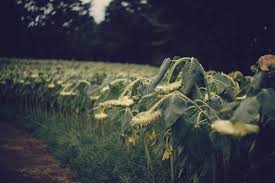
According to the researchers, each additional degree of global warming is expected to further reduce yields, especially for heat-sensitive crops like maize and wheat. Rising nighttime temperatures, unpredictable rainfall, and extreme heat events are already damaging plant growth cycles and shortening growing seasons, making it increasingly difficult for even advanced agricultural systems to maintain productivity.
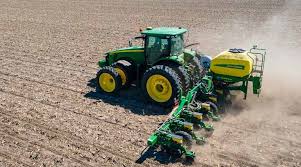
The findings highlight the limits of adaptation in isolation. While technological innovations such as drought-resistant seed varieties, precision irrigation, and improved soil management have shown promise, the pace and intensity of climate change are outstripping farmers’ ability to adjust. The study’s authors argue that without significant reductions in greenhouse gas emissions, global agriculture could face mounting productivity losses — threatening food security and livelihoods, particularly in low-income regions.
In addition to technological adaptation, the researchers emphasize the need for systemic responses — including climate-resilient infrastructure, policy reforms, and financial support for smallholder farmers — to strengthen long-term resilience. They also call for accelerated investment in sustainable land use and emission mitigation, which can help stabilize the agricultural environment over time.
The Stanford team concludes that while farmers around the world are innovating and adapting at unprecedented scales, these actions must be accompanied by ambitious climate action at the global level. Without addressing the root causes of warming, adaptation alone will not be enough to safeguard future food supplies. The study serves as a stark reminder that the future of agriculture depends on both resilience and rapid climate mitigation.

 By
By