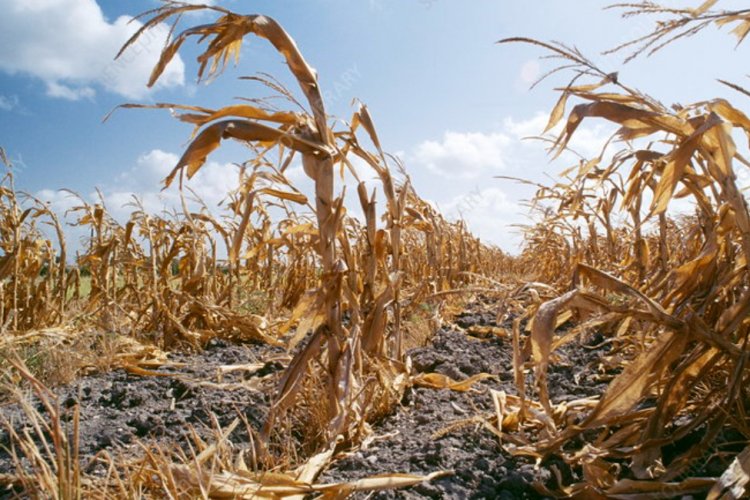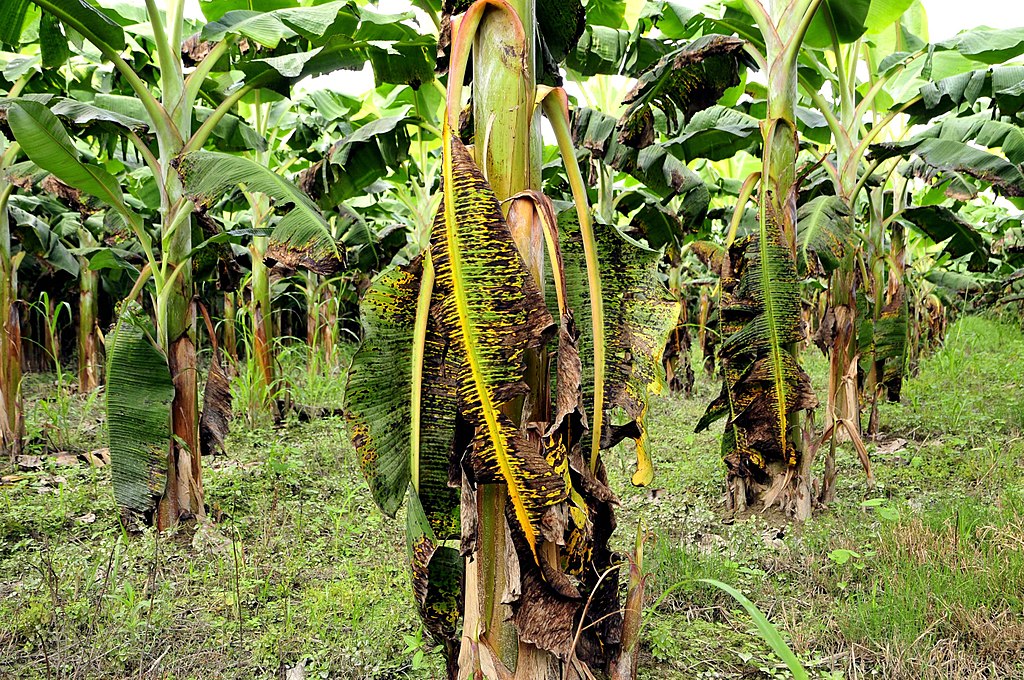
Climate change is emerging as a major threat to the world’s banana supply, with rising temperatures and shifting humidity patterns accelerating the spread of devastating plant diseases. Experts warn that two of the most serious fungal threats—Black Sigatoka and Fusarium Wilt Tropical Race 4 (TR4)—are expanding into new banana-growing regions, putting global production at significant risk.
Black Sigatoka, a fast-spreading leaf disease, thrives in warmer and wetter conditions. As climate patterns shift, the fungus is appearing in areas where it previously struggled to survive, forcing farmers to increase the use of fungicides and driving up production costs. If untreated, the disease can reduce banana yields by as much as 50 percent.
Meanwhile, TR4, often called the “Panama disease,” continues to spread across Asia, Africa, and Latin America. Unlike many plant pathogens, TR4 is extremely difficult to control because it persists in soil for decades and can wipe out entire plantations of Cavendish bananas—the dominant variety in global trade.
Researchers caution that climate-driven disease spread threatens not only export markets but also the food security of millions of people in tropical regions who rely on bananas as a staple food and income source. Many smallholder farmers lack the resources to adopt disease-resistant varieties or advanced management practices.
Scientists and agricultural organizations are racing to develop solutions, including genetically improved banana varieties, stricter biosecurity protocols, and climate-smart farming strategies. However, experts warn that without large-scale adaptive measures, the global banana industry may face increasing instability in the years ahead.

 By
By