

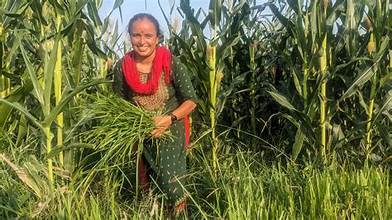
As climate variability intensifies, agricultural experts are warning that the shift toward climate-resilient farming is no longer optional but essential for ensuring long-term food security. Across regions, farmers are increasingly grappling with erratic rainfall, rising temperatures, frequent droughts, and extreme weather events, all of which are directly impacting crop productivity and farm incomes.
The growing influence of Climate Change has made traditional farming practices less reliable. Seasonal patterns that farmers depended on for decades are becoming unpredictable, leading to delayed sowing, crop damage, and yield instability. In India and many other agrarian economies, these disruptions pose a serious threat not only to farmers’ livelihoods but also to national food systems.
Climate-resilient farming focuses on adapting agricultural practices to withstand these environmental stresses while maintaining productivity. One of the key approaches is the adoption of drought-tolerant and heat-resistant crop varieties. Agricultural research institutions are developing seeds that can survive under water-scarce conditions or withstand sudden temperature spikes, helping farmers reduce the risk of crop failure.
Efficient water management is another cornerstone of climate-resilient agriculture. Techniques such as drip irrigation, rainwater harvesting, and micro-irrigation systems enable farmers to optimize water use and reduce dependency on unpredictable rainfall. These methods are particularly important in regions facing groundwater depletion and irregular monsoon patterns.
Soil health management is also gaining prominence. Practices like conservation tillage, organic farming, and the use of bio-fertilizers help improve soil structure and moisture retention capacity. Healthier soils not only support better crop growth but also enhance resilience against drought and heavy rainfall.
Additionally, diversification is emerging as a critical strategy. Farmers are increasingly integrating multiple crops, livestock, and agroforestry systems to spread risk. By not relying on a single crop, they can better absorb shocks caused by adverse weather conditions and market fluctuations.
Digital technology and weather forecasting are playing a growing role in supporting climate-resilient farming. Real-time advisories, satellite-based monitoring, and mobile applications are helping farmers make informed decisions about sowing, irrigation, and crop protection. Access to accurate weather information allows for timely interventions, reducing losses from extreme events.
Policy support is equally crucial in driving this transition. Governments are promoting climate-smart agriculture through subsidies, training programs, and research investments. Initiatives focused on sustainable farming practices, crop insurance, and disaster risk management are helping farmers adapt to changing climatic conditions.
Experts emphasize that without widespread adoption of climate-resilient practices, the risks to global food security could escalate significantly in the coming decades. With a growing population and increasing demand for food, maintaining stable agricultural output under changing environmental conditions is a major challenge.
In conclusion, the urgency of climate-resilient farming reflects the broader reality that agriculture must evolve to keep pace with environmental change. By combining scientific innovation, sustainable practices, and strong policy support, the sector can build resilience and secure food supplies for future generations while protecting farmer livelihoods.


 By
By











