Global food security is increasingly influenced by climate-related pressures and rising commodity prices, according to recent analyses by international agricultural experts. Changing weather patterns, coupled with market fluctuations, are reshaping the way governments, farmers, and supply chain actors approach production, distribution, and consumption of essential food commodities.
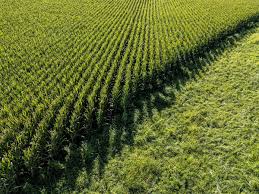
Extreme weather events—including droughts, floods, and heatwaves—are affecting crop yields and livestock productivity across multiple regions. Analysts note that unpredictable climatic conditions not only reduce output but also disrupt planting and harvesting cycles, contributing to higher price volatility in local and global markets. Smallholder farmers and low-income populations are particularly vulnerable to these shocks, as they often have limited access to irrigation, resilient seed varieties, and financial safety nets.
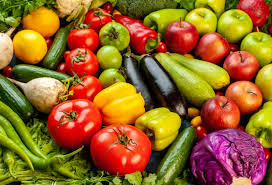
Global commodity markets are responding to these challenges with increased price fluctuations. Rising costs for staples such as wheat, rice, and maize are being driven by reduced supply in key exporting countries and increased transportation expenses. Experts warn that prolonged price instability could exacerbate food insecurity, making it harder for vulnerable populations to access affordable nutrition.
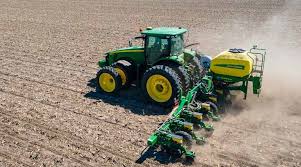
The analyses also emphasize the need for resilient and sustainable food production systems. Measures such as climate-smart agriculture, diversification of cropping systems, improved water management, and adoption of precision farming techniques are seen as critical to mitigating the impacts of climate stress. Investments in storage infrastructure, logistics, and digital monitoring tools are also highlighted as essential for stabilizing supply chains and reducing post-harvest losses.
Policymakers are encouraged to take a multi-faceted approach that balances immediate food access with long-term sustainability goals. Integrating climate risk assessments into national food security strategies, supporting farmer adaptation programs, and fostering international cooperation are viewed as necessary steps to ensure global stability in agricultural markets.
Experts underscore that addressing these challenges will require coordinated action across governments, the private sector, and research institutions. Without such interventions, the dual pressures of climate stress and market volatility are likely to intensify food insecurity, particularly in regions already experiencing high vulnerability.
The findings serve as a reminder that sustainable, resilient, and well-managed food systems are central to meeting global nutrition needs while navigating the uncertainties of climate and market dynamics.

 By
By