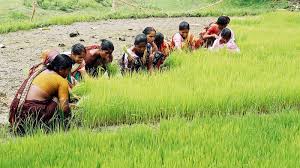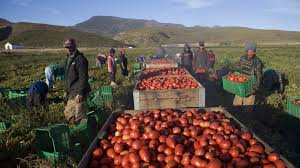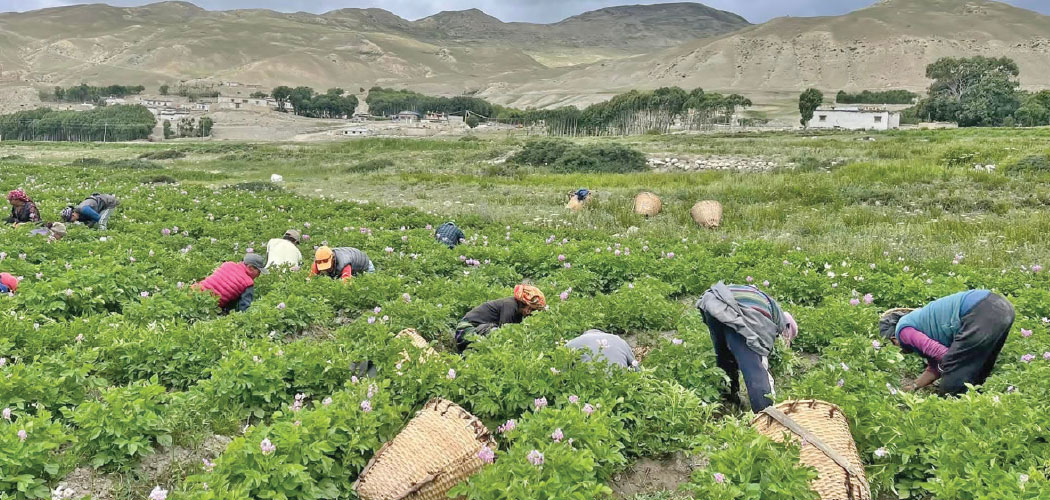
In the high-altitude region of Mustang, Nepal, farmers are embracing collective potato farming as a strategy to boost productivity, cut costs, and strengthen market access. What began as small-scale community efforts has now evolved into a growing movement, with farmer groups pooling land, labor, and resources to cultivate the region’s most important cash crop.
Potato is a staple in Mustang’s mountainous economy, where the cold climate and fertile soil create ideal growing conditions. Traditionally, farmers cultivated their fields individually, but rising input costs, limited irrigation, and challenges in reaching markets prompted a shift toward collective action.
By working together, farmers are able to share seeds, machinery, and technical know-how, reducing expenses while increasing overall yields. Collective storage facilities and joint marketing initiatives have also allowed producers to negotiate better prices and minimize post-harvest losses.
Local agricultural cooperatives, supported by development organizations and government agencies, are playing a crucial role in providing training on modern farming methods, pest management, and organic cultivation practices. Many groups are also experimenting with high-yield and disease-resistant potato varieties suited to Mustang’s terrain.
Farmers say the benefits go beyond economics. Collective farming has fostered a stronger sense of community solidarity and resilience, enabling smallholders to withstand climate challenges such as unpredictable rainfall and soil erosion. Women’s groups, in particular, have become active participants, contributing to household income and decision-making.
Officials note that collective potato farming is not only improving livelihoods but also enhancing Mustang’s reputation as a hub for high-quality potatoes in both domestic and export markets. With growing demand and expanding networks, the initiative is expected to set a model for other mountain regions in Nepal seeking sustainable agricultural solutions.

 By
By