

Climate experts around the world are closely monitoring the Pacific Ocean as conditions indicate the possibility of a Super El Niño, a powerful climate phenomenon that has the potential to disrupt weather patterns across the globe. If such an event develops, scientists warn it could trigger widespread droughts, floods, declining agricultural production, and rising food prices, with impacts that may extend through 2028.
El Niño is a naturally occurring climate pattern that develops when sea surface temperatures in the central and eastern Pacific Ocean become significantly warmer than normal. This warming alters atmospheric circulation, affecting rainfall, temperature, and storm activity in many regions. While El Niño events occur every few years, a Super El Niño is much stronger and can produce more severe and widespread consequences.
According to climate researchers, current ocean temperatures and atmospheric conditions are being carefully observed for early signs of an unusually intense event. Although it is too early to confirm whether a Super El Niño will fully develop, the possibility has prompted governments, meteorological agencies, and agricultural experts to prepare for potential disruptions.
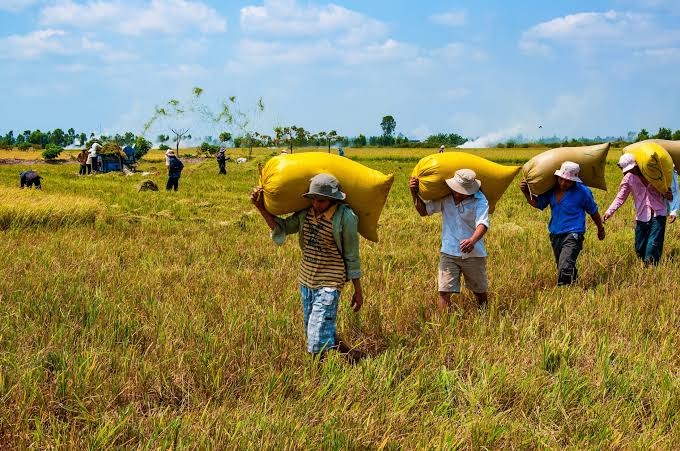
Agriculture is expected to be among the sectors most vulnerable to a powerful El Niño. Reduced rainfall and prolonged dry spells could affect major crop-producing regions, leading to lower yields of staples such as wheat, rice, maize, soybeans, and other essential food crops. At the same time, excessive rainfall and flooding in other areas could damage farmland, delay planting, increase pest and disease outbreaks, and disrupt harvesting operations.
Livestock production may also face significant challenges. Heat stress, declining pasture quality, and water shortages could reduce milk and meat production, while fisheries may experience changes in ocean temperatures that affect fish populations and marine ecosystems. These combined impacts could place additional pressure on food supply chains worldwide.
The economic consequences of a Super El Niño could be substantial. Lower agricultural output often results in tighter global supplies, pushing food prices higher. Developing countries, where a large proportion of household income is spent on food, are likely to face the greatest burden. Rising prices for cereals, edible oils, vegetables, and animal products could contribute to inflation and increase food insecurity for millions of people.
Scientists emphasize that climate change may amplify the effects of extreme weather events associated with El Niño. Higher global temperatures can intensify heatwaves, worsen drought conditions, and increase the likelihood of extreme rainfall events. As a result, communities already vulnerable to climate-related disasters may experience even greater risks.
Experts recommend that governments strengthen climate preparedness by improving weather forecasting systems, promoting climate-resilient agriculture, expanding irrigation infrastructure, encouraging drought-tolerant crop varieties, and ensuring efficient water management. Farmers are also advised to monitor seasonal weather forecasts closely and adopt adaptive farming practices to reduce potential losses.
While uncertainty remains about the exact intensity and duration of the developing climate pattern, experts agree that early planning is essential. Strengthening agricultural resilience, protecting water resources, and improving disaster preparedness can help reduce the impact of a potential Super El Niño. As global weather conditions continue to evolve, international cooperation and timely action will play a crucial role in safeguarding food security and protecting livelihoods in the years ahead.


 By
By











