

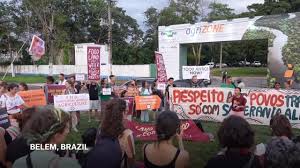
COP30, the latest global climate summit, witnessed an unprecedented presence of industrial agriculture lobbyists, sparking widespread debate over their growing influence on international climate policy. More than 300 representatives from major meat, dairy, and agrochemical corporations attended the conference, raising concerns among environmental groups and climate advocates about potential conflicts of interest in crucial negotiations.
The substantial turnout from these industries reflects their increasing effort to shape global climate discussions, particularly as agriculture’s role in greenhouse gas emissions becomes a major topic. Industrial agriculture is often associated with high methane emissions, deforestation, soil degradation, and heavy chemical use—issues that directly contribute to climate change. With global pressure mounting to curb emissions from livestock and large-scale farming, many observers believe these sectors are seeking to protect business interests as nations consider stronger environmental commitments.
Climate watchdog organizations argue that such heavy representation risks undermining climate action. They highlight that the presence of lobbyists from industries linked to high emissions could dilute efforts to adopt stricter regulations or shift toward more sustainable food systems. Several advocacy groups at the summit called for clearer guidelines on lobbying participation, stressing that those with direct financial stakes in emissions-heavy sectors should not be allowed to sway global policy decisions.
Despite these concerns, industry representatives defended their participation, claiming they offer essential insight into food production systems that feed billions globally. They argue that excluding major agricultural players from climate discussions would hinder practical, scalable solutions. According to them, innovations in animal nutrition, precision farming, and low-carbon fertilizers demonstrate the sector’s willingness to contribute to climate goals.
Delegates from vulnerable and developing countries, however, expressed unease about the imbalance of influence. Many smaller nations—already facing the severe effects of climate change—lack the resources to match the lobbying power of large corporations. This disparity, they say, risks creating policies that favor industrial interests over community-based, sustainable agricultural practices.
As COP30 concluded, the debate over lobbying transparency remained a central theme. Calls for stricter oversight grew louder, with activists urging future climate summits to establish clearer conflict-of-interest rules. Many emphasized that credible climate policy requires prioritizing environmental integrity over commercial pressure.
The heavy presence of industrial agriculture lobbyists at COP30 has sparked a renewed global conversation about accountability, transparency, and the need to protect climate policy from undue influence. The issue is expected to shape discussions leading into COP31, as nations push for stronger action in the fight against global warming.


 By
By











