

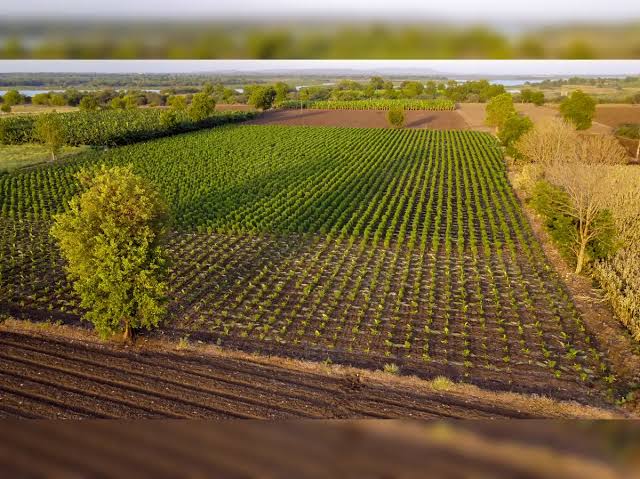
A decade-long international research study has found that combining conservation agriculture with subsurface drip irrigation (SDI) can significantly improve wheat quality while enhancing the efficient use of water and fertilizers. According to the findings, this integrated farming approach can increase wheat protein content by up to 12%, while also improving water-use and nitrogen-use efficiency, offering a sustainable solution for modern agriculture.
The study, conducted over ten years under varying climatic and soil conditions, highlights the long-term benefits of conservation-based farming practices. Researchers say the combination of minimal soil disturbance, residue retention, crop rotation, and precision irrigation creates healthier soils and more resilient cropping systems, helping farmers achieve better yields and improved grain quality with fewer natural resources.
Conservation agriculture is built on three key principles: reducing soil disturbance through minimum or zero tillage, maintaining soil cover with crop residues, and practicing diversified crop rotations. These methods help improve soil structure, increase organic matter, reduce erosion, and promote beneficial soil microorganisms. Over time, healthier soils become more capable of storing water and nutrients, making crops more resilient to drought and climate variability.
Subsurface drip irrigation further enhances these benefits by delivering water directly to the plant root zone through buried drip lines. Unlike conventional flood irrigation, SDI minimizes water losses caused by evaporation and runoff, ensuring that crops receive moisture precisely where it is needed. This targeted irrigation system also allows fertilizers to be applied efficiently through fertigation, reducing nutrient losses and improving plant uptake.
One of the most significant findings of the study is the improvement in grain protein content, which is an important indicator of wheat quality. Higher protein levels increase the nutritional value of wheat and improve its suitability for bread, pasta, and other processed food products. A protein increase of up to 12% could provide farmers with opportunities to earn better market prices while supplying consumers with higher-quality grain.
The research also demonstrated substantial improvements in water-use efficiency and nitrogen-use efficiency. By reducing unnecessary water application and ensuring better nutrient absorption, the integrated system lowers production costs and reduces environmental impacts such as groundwater depletion and nitrogen leaching. Efficient fertilizer use also contributes to lower greenhouse gas emissions associated with agricultural production.
Researchers note that these benefits are particularly important as climate change places increasing pressure on global agriculture. Rising temperatures, irregular rainfall, and growing water scarcity are forcing farmers to adopt more resource-efficient farming methods. Conservation agriculture combined with precision irrigation offers a practical approach to maintaining productivity while protecting natural resources.
The study encourages policymakers and agricultural extension agencies to promote wider adoption of conservation agriculture and advanced irrigation technologies through farmer training, financial incentives, and improved access to modern equipment. Although the initial investment in subsurface drip irrigation may be higher than traditional irrigation systems, researchers emphasize that long-term savings in water, fertilizer, and labor can make the technology economically viable.
As global demand for food continues to rise, sustainable farming practices will play an increasingly important role in ensuring food security. The findings of this long-term study demonstrate that integrating conservation agriculture with subsurface drip irrigation can simultaneously improve wheat quality, increase resource-use efficiency, and strengthen the resilience of farming systems, making it a promising strategy for the future of sustainable agriculture.


 By
By











