Governments across Europe and Asia are expanding and rebuilding strategic food reserves as a safeguard against rising supply chain disruptions, climate-related shocks, and geopolitical instability. Countries including India, China, Brazil, Indonesia, Sweden, and Norway are prioritizing food stockpiling as part of broader national security and resilience strategies.
The renewed focus on food reserves reflects lessons learned from recent global crises. Pandemic-related disruptions, extreme weather events, trade restrictions, and regional conflicts exposed vulnerabilities in international food supply chains, prompting governments to reassess their dependence on global markets. Strategic stockpiles are increasingly viewed as essential buffers to stabilize domestic markets and ensure food availability during emergencies.
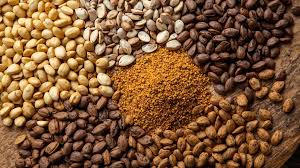
In Asia, major food-producing nations such as India and China have continued to expand public grain reserves to support food security for large populations. These reserves play a critical role in price stabilization, public distribution systems, and emergency response during droughts, floods, or sudden supply interruptions. Indonesia has also reinforced its stockpiling mechanisms to manage volatility in staple foods and protect vulnerable consumers.
European countries are similarly revisiting food security policies. Sweden and Norway, traditionally reliant on imports and efficient logistics, are strengthening reserve systems to prepare for potential disruptions linked to climate change, cyber risks, and geopolitical tensions. Authorities in these countries emphasize that strategic reserves complement, rather than replace, open trade, providing insurance against worst-case scenarios.
Brazil, a major global agricultural exporter, is also reassessing food reserve strategies to balance export commitments with domestic food security needs. Policymakers are increasingly aware that climate variability and market volatility can affect production and availability, even in surplus-producing countries.
Experts note that modern food stockpiling differs from past approaches. Governments are focusing on smarter reserve management, improved storage infrastructure, digital monitoring, and coordination with private sector supply chains to reduce waste and improve responsiveness. Some countries are also diversifying reserves beyond grains to include pulses, oils, and other essential commodities.
While maintaining food reserves involves costs and logistical challenges, policymakers argue that the benefits outweigh the risks in an era of growing uncertainty. As climate change intensifies and geopolitical dynamics remain fluid, strategic food stockpiling is emerging as a central pillar of national resilience planning.
The global trend underscores a broader shift in how nations perceive food security—not only as an economic or agricultural issue, but as a core component of strategic stability and long-term national security.

 By
By