

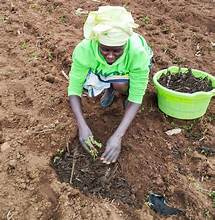
The Bill & Melinda Gates Foundation’s major agricultural initiatives in Africa are facing renewed scrutiny, as critics raise concerns over accountability, transparency, and the overall effectiveness of these large-scale philanthropic investments. Much of the debate centers on the Alliance for a Green Revolution in Africa (AGRA), a flagship program heavily supported by the Foundation, which aims to boost productivity through improved seed systems, fertiliser use, and market integration.
Civil society groups, independent researchers, and farmer organizations argue that despite more than a decade of funding, evidence of substantial yield improvements or poverty reduction remains limited in several regions. They contend that the program’s focus on input-intensive models may not always align with local agroecological conditions, thereby creating dependencies and sidelining more sustainable, community-driven farming approaches.
Critics also highlight gaps in reporting and impact measurement, noting that AGRA’s initial targets for doubling income and productivity among millions of smallholder farmers have not been fully met. They call for more rigorous evaluations, greater farmer participation in decision-making, and enhanced public disclosure of program outcomes.
Supporters of the Foundation counter that its initiatives have strengthened seed markets, improved access to extension services, and expanded agricultural research capacity across multiple African countries. They also emphasize that long-term systemic transformation requires sustained investment and closer partnerships between governments, NGOs, and private-sector actors.
The ongoing debate reflects a broader global conversation about the role of philanthropy in shaping food systems, particularly in regions where smallholder agriculture remains central to livelihoods. As calls for accountability grow louder, stakeholders are urging the Gates Foundation and its partners to reassess strategies, incorporate more inclusive approaches, and ensure that interventions genuinely benefit the small farmers they aim to support.


 By
By











