Global agriculture is facing a growing wave of cybersecurity threats as farms, food processors, and supply chain operators become increasingly digitised. From precision farming systems and automated equipment to cloud-based logistics and payment platforms, the sector’s rapid adoption of digital technologies is creating new vulnerabilities that cybercriminals are actively exploiting.
Recent incidents have shown that farms, agribusinesses, food processors, and distributors are no longer peripheral targets. Cyberattacks have disrupted operations at grain handlers, meat processors, dairy companies, and input suppliers, causing production delays, financial losses, and in some cases temporary shutdowns. Ransomware attacks, data breaches, and system sabotage are among the most common threats reported.
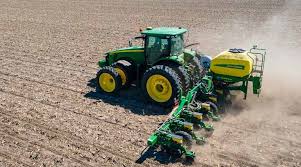
Modern agriculture relies heavily on connected technologies, including GPS-guided machinery, smart irrigation systems, farm management software, and digital marketplaces. While these tools improve efficiency and decision-making, they also expand the attack surface. Many farms and smaller food companies lack dedicated IT teams or robust security protocols, making them particularly vulnerable to intrusion.
Food supply chains are especially attractive targets because of their critical role in food security and economic stability. Disruptions at key processing or logistics nodes can have cascading effects, affecting availability, prices, and trade flows. Cybersecurity experts warn that coordinated attacks on agricultural infrastructure could pose risks not only to individual businesses but also to national food systems.
Industry groups and policymakers are increasingly calling for stronger digital infrastructure protections. Recommended measures include regular software updates, secure data backups, employee training to prevent phishing attacks, and adoption of basic cyber hygiene practices. For larger agribusinesses, investments in advanced monitoring systems and incident-response planning are becoming a strategic priority.
Governments and international organisations are also beginning to recognise cybersecurity as an emerging risk in agriculture. Some countries are exploring sector-specific guidelines, information-sharing mechanisms, and public–private partnerships to strengthen resilience across the food system. There is growing emphasis on integrating cybersecurity into broader discussions on agricultural modernisation and sustainability.
Experts caution that as digital tools become essential to climate-smart agriculture, traceability, and supply chain transparency, cyber resilience must evolve alongside technological adoption. Without adequate safeguards, the benefits of digitalisation could be undermined by operational disruptions and loss of trust.
Overall, the rise in cyberattacks targeting farms and food companies highlights a new dimension of risk facing global agriculture. Strengthening cybersecurity is increasingly viewed not just as a technical issue, but as a core component of food system resilience in an interconnected and technology-driven world.

 By
By