A case of the destructive New World screwworm has been confirmed at an animal import inspection facility in Florida, prompting renewed biosecurity concerns among federal and state authorities. The detection marks a troubling development, as the parasite had been largely eradicated from the continental United States decades ago.
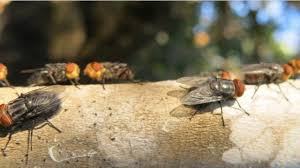
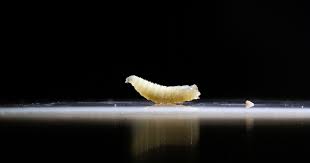
The New World screwworm (Cochliomyia hominivorax) is a parasitic fly whose larvae feed on the living tissue of warm-blooded animals. Infestations typically begin when adult flies lay eggs in open wounds. Once hatched, the larvae burrow into flesh, causing severe tissue damage, infection, and in untreated cases, death. The pest primarily threatens cattle and other livestock but can also affect wildlife and, in rare instances, humans.
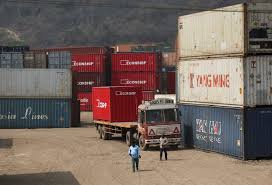
The case was identified during routine animal health inspections at the import facility. Authorities immediately implemented containment and quarantine protocols to prevent further spread. Veterinary officials are conducting tracing investigations to determine the origin of the infected animal and assess whether additional exposure occurred.
The United States previously eliminated the screwworm through an extensive sterile insect technique (SIT) program led by the U.S. Department of Agriculture. That strategy involved releasing sterilized male flies into affected regions to interrupt the reproductive cycle. Continuous monitoring has since been maintained, particularly in high-risk border and import zones.
Experts warn that the reemergence underscores vulnerabilities in global livestock movement and biosecurity systems. Increased international trade, wildlife migration, and climate variability may contribute to shifting pest dynamics. While officials have stressed that this detection does not indicate widespread reestablishment, vigilance is critical to prevent localized cases from escalating into broader outbreaks.
Livestock producers and animal health organizations are being advised to intensify wound inspections and promptly report suspicious infestations. Rapid detection and coordinated response remain key to preserving the country’s screwworm-free status.
Authorities have reaffirmed that containment measures are in place and that surveillance efforts will be expanded in the coming weeks. The incident serves as a reminder of the ongoing need for robust biosecurity infrastructure to protect the U.S. livestock industry from high-impact parasitic threats.

 By
By