A new report by the World Economic Forum (WEF) has identified deep-technology innovations — including generative AI, robotics, satellite remote sensing, nanotechnology, and advanced data analytics — as the next major drivers of transformation in global agriculture. The WEF emphasized that adopting these cutting-edge technologies is critical, particularly for developing countries such as India, where agriculture remains the backbone of the economy.
According to the Forum’s analysis, global food production must increase by nearly 70 percent by 2050 to feed a growing population. However, the sector faces mounting challenges, including soil degradation, climate volatility, water scarcity, and an ageing farming population, with the average farmer now around 60 years old worldwide. The WEF warned that without rapid modernization, food systems may struggle to meet future demand sustainably.
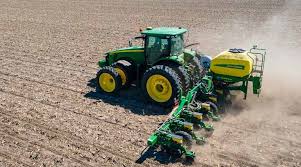
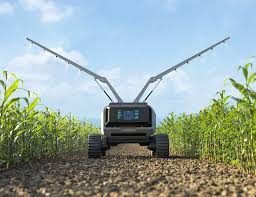
Among the technologies highlighted, generative AI and robotics are expected to revolutionize how farms operate. AI-driven systems can analyze complex data — from weather models to crop health — enabling precision agriculture and smarter resource use. Autonomous robots and drones can perform tasks like planting, harvesting, and pest control with greater accuracy and efficiency, reducing dependency on manual labor.
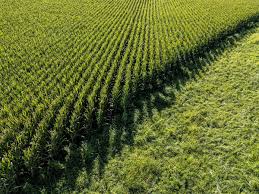
Meanwhile, satellite-based remote sensing and IoT-enabled monitoring offer real-time insights into soil conditions, moisture levels, and crop stress, empowering farmers to make timely, data-backed decisions. Nanotechnology could further enhance fertilizer efficiency and pest management, minimizing chemical waste and environmental damage.
The report also stressed the importance of digital inclusivity and farmer training, urging governments, private companies, and research institutions to collaborate in making advanced technologies accessible to smallholders. In India, where over half the population is connected to agriculture, such innovations could significantly boost productivity, reduce input costs, and promote climate-resilient farming.
Experts believe that the next decade will redefine agriculture — moving it beyond seeds and fertilizers toward a data-driven, intelligent ecosystem. As deep-tech solutions become more affordable and scalable, they hold the potential to transform farming into a sustainable, high-tech enterprise, ensuring food security while supporting environmental goals.


 By
By