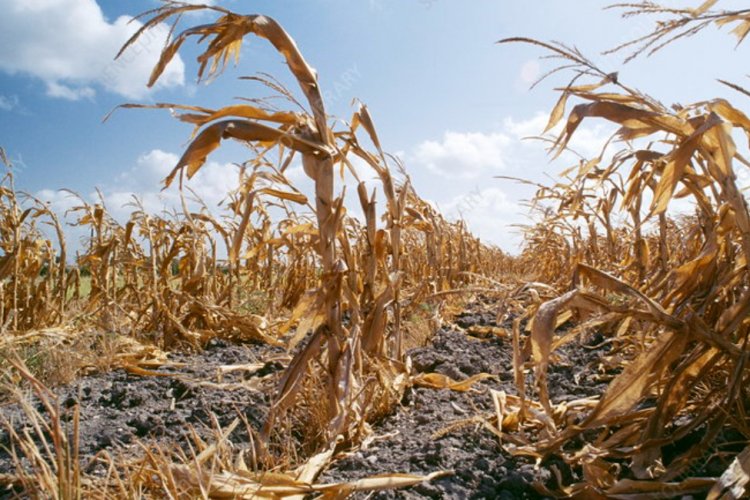
The latest report from the Food and Agriculture Organization (FAO) not only highlights massive global agricultural losses from disasters but also underscores the growing role of digital technologies in strengthening farmers’ resilience. According to the FAO, innovations such as artificial intelligence (AI), remote sensing, and parametric insurance are helping farmers better anticipate, prepare for, and respond to climate-related risks.
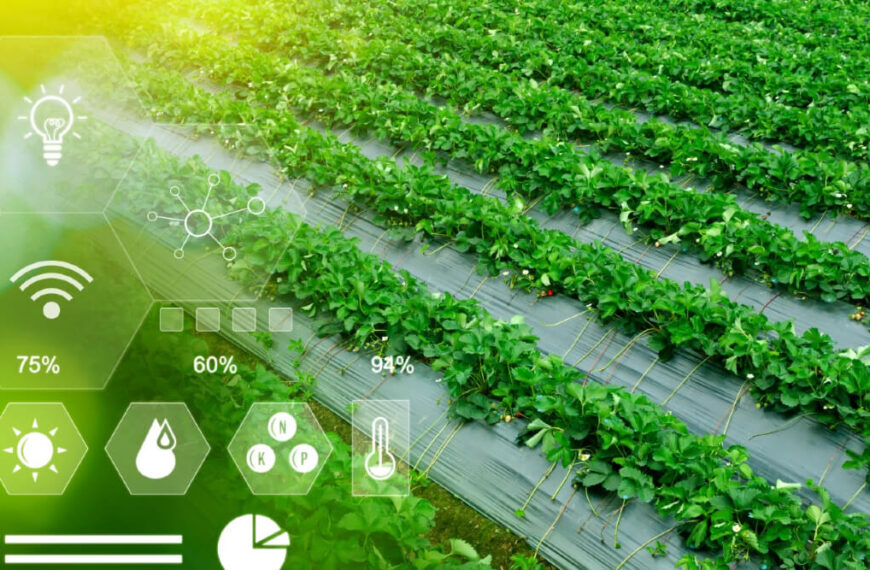
The report notes that digital tools are improving early-warning systems, enabling farmers to access real-time weather data, crop health indicators, and drought forecasts. Remote sensing technologies, including satellite imagery and drone-based monitoring, are increasingly being used to detect pest infestations, moisture stress, and flood-prone areas before they escalate into large-scale losses.
AI-driven models are also supporting smarter decision-making by predicting yield variations, monitoring soil conditions, and advising farmers on the best time for sowing or irrigation. These technologies, the FAO states, are becoming especially critical in regions where climate extremes are becoming more frequent.
Another notable advancement highlighted in the report is parametric insurance, which offers farmers quicker payouts after disasters. Instead of relying on lengthy field assessments, payments are triggered automatically when predetermined weather thresholds—such as rainfall levels—are crossed. This helps smallholders recover faster, maintain livelihoods, and reinvest in their farms.
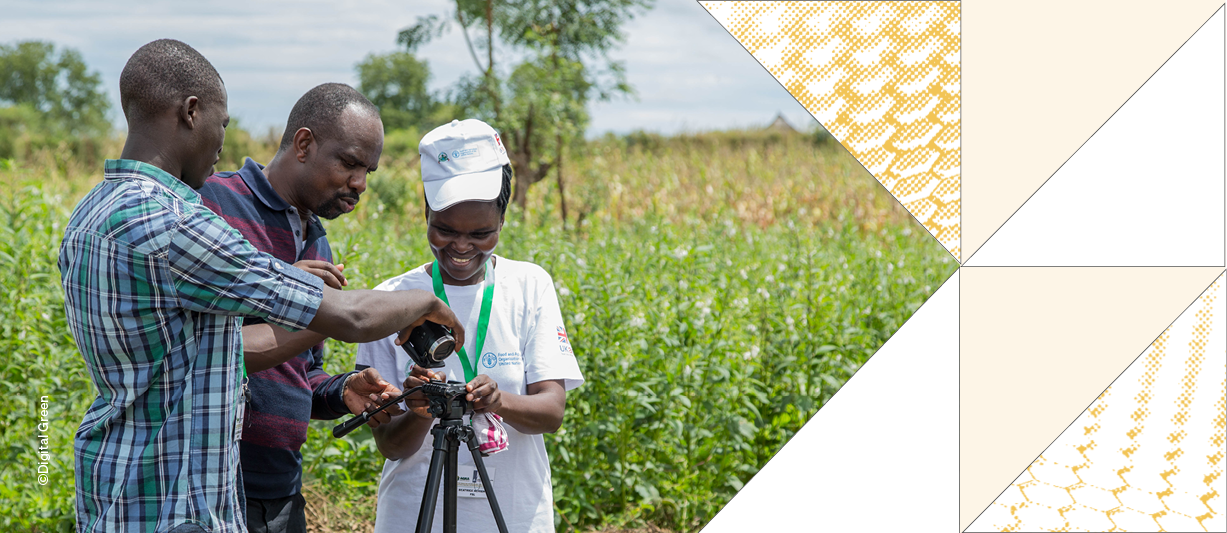
The FAO emphasizes that digital innovation must be accessible and affordable for small-scale farmers, who remain the most vulnerable to climate shocks. Investments in rural connectivity, digital literacy, and public-private partnerships will play a key role in scaling up these technologies.
As climate challenges intensify, the FAO report suggests that digital transformation could become a cornerstone of global efforts to protect agriculture and ensure long-term food security.

 By
By