

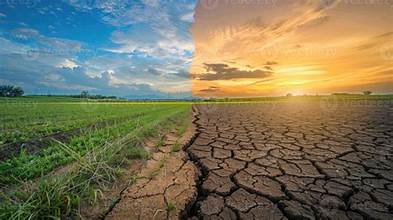
Weather conditions remain the most influential factor affecting global agricultural commodity markets, with analysts closely monitoring rainfall patterns, drought conditions, and seasonal forecasts across North America, Europe, and Asia as the 2026 harvest season progresses. Although global crop production remains generally stable, changing weather conditions continue to influence market sentiment and commodity prices.
Agricultural commodities such as wheat, maize (corn), soybeans, rice, barley, and oilseeds are highly sensitive to weather during key stages of crop development. Variations in rainfall, temperature, and soil moisture can significantly affect crop yields, making weather forecasts an important indicator for farmers, traders, and policymakers.
In North America, market participants are tracking rainfall distribution across major grain-producing regions. Adequate precipitation during the growing season is essential for maintaining crop health, while prolonged dry spells can reduce yields and impact the quality of harvested grain. Farmers are using advanced weather forecasting tools and precision farming technologies to make informed decisions regarding irrigation, fertilizer application, and harvest planning.
Across Europe, agricultural experts continue to assess moisture levels and temperature patterns as cereal and oilseed crops approach maturity. Localized drought conditions in some areas, combined with periods of extreme heat, have raised concerns about crop development. However, timely rainfall in other regions has helped improve production prospects, highlighting the varying impact of weather across the continent.
Asian agricultural markets are also under close observation as monsoon performance plays a critical role in food production. Rice, one of the region’s most important staple crops, depends heavily on seasonal rainfall. Uneven monsoon distribution or prolonged dry conditions could affect planting and crop growth in certain areas, while excessive rainfall may increase the risk of flooding and waterlogging.
Climate experts note that the developing El Niño weather pattern remains a key factor influencing seasonal forecasts worldwide. El Niño can alter rainfall distribution and temperature patterns, leading to drought in some agricultural regions and above-average rainfall in others. As a result, governments and farmers are maintaining close surveillance of weather developments throughout the growing season.
Commodity markets often respond quickly to weather-related news. Expectations of lower crop production due to drought or heat stress can lead to higher grain prices, while favorable rainfall and improved crop conditions generally support stable or lower market prices. Traders continuously evaluate weather forecasts alongside crop reports to estimate future supply levels.
Despite ongoing weather concerns, agricultural economists point out that global grain inventories remain relatively healthy following favorable harvests in recent seasons. Strong stock levels of wheat, maize, and other cereals are expected to provide a buffer against temporary production shortfalls, helping reduce the risk of major supply disruptions.
Farmers around the world are increasingly investing in climate-resilient agricultural practices to minimize weather-related risks. These include drought-tolerant seed varieties, efficient irrigation systems, conservation agriculture, precision nutrient management, and digital weather advisory services. Such innovations are improving farm resilience and helping maintain productivity under changing climatic conditions.
Governments are also strengthening agricultural preparedness through investments in water conservation, irrigation infrastructure, crop insurance programs, and early warning systems. These measures are designed to help farmers adapt to increasingly unpredictable weather while supporting long-term food security.
Market analysts believe that weather will remain the dominant driver of agricultural commodity prices in the coming months as harvesting continues across major producing regions. Alongside climate conditions, factors such as global demand, trade policies, transportation costs, and geopolitical developments will also influence market movements.
Looking ahead, continued monitoring of rainfall patterns, drought intensity, and seasonal climate forecasts will be essential for assessing global crop prospects. While current production estimates remain broadly positive, the agricultural sector remains vigilant, recognizing that weather conditions can change rapidly and significantly influence harvest outcomes.
Overall, global crop markets continue to operate under the close watch of weather developments. As climate variability becomes an increasingly important factor in agriculture, investments in resilient farming practices and improved forecasting will play a critical role in ensuring stable food production and supporting global food security.


 By
By











