

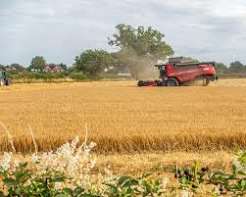
Europe’s agricultural sector has suffered a major setback after an intense June heatwave caused an estimated €2 billion in crop losses, raising fresh concerns over food security, grain supplies, and rising global food prices. The prolonged spell of extreme temperatures has destroyed approximately 9 million tonnes of agricultural produce, with wheat and maize among the hardest-hit crops.
The unusually high temperatures swept across several key farming regions, including France, Germany, Spain, Italy, and parts of Eastern Europe, during a critical stage of crop development. The scorching conditions accelerated soil moisture loss, stressed crops, and significantly reduced grain yields, leaving farmers facing one of the most challenging growing seasons in recent years.
Wheat production, a cornerstone of European agriculture and global grain trade, has been particularly affected. Reduced yields in major wheat-producing countries are expected to tighten export supplies, potentially impacting international markets that rely heavily on European grain. Similarly, maize production has suffered considerable damage as prolonged heat and limited rainfall hindered plant growth during crucial development stages.
Agricultural analysts estimate that around 9 million tonnes of crops have been lost, a decline that could influence global grain availability and push food prices higher. Europe is one of the world’s leading exporters of wheat, and any significant reduction in production is likely to have ripple effects across international commodity markets.
The crop damage comes at a time when global food supply chains are already facing multiple challenges, including climate change, unpredictable weather patterns, and geopolitical disruptions affecting agricultural trade. Experts warn that reduced European harvests may force several countries to increase grain imports to meet domestic demand, placing additional pressure on global suppliers.
Higher import demand from Europe could also intensify competition in international grain markets, potentially driving up prices for wheat, maize, and related food products. Developing nations that depend on imported grains may face increased food costs, adding to concerns over food inflation and affordability.
Farmers across Europe are reporting substantial financial losses as extreme heat damaged standing crops before harvest. Many agricultural organizations are calling for stronger climate adaptation measures, including investment in drought-resistant crop varieties, improved irrigation infrastructure, and better weather forecasting systems to help farmers cope with increasingly frequent extreme weather events.
Climate scientists note that heatwaves across Europe have become more frequent and intense over the past decade, posing long-term challenges for agricultural productivity. The latest losses further highlight the growing vulnerability of global food systems to climate-related disruptions.
Governments and agricultural agencies are closely monitoring crop conditions and assessing the full extent of the damage. Emergency support measures and financial assistance may be considered for affected farmers, while policymakers are expected to review long-term strategies to strengthen agricultural resilience.
With wheat and maize production significantly reduced, global grain markets are likely to remain volatile in the coming months. The combination of lower European output and rising import demand could contribute to higher food prices worldwide, reinforcing concerns about inflation and food security.
The latest heatwave serves as another reminder of the increasing impact of extreme weather on global agriculture, emphasizing the urgent need for climate-resilient farming practices to safeguard future food production.


 By
By











