

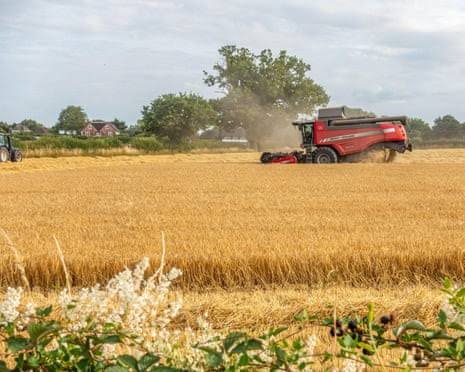
Europe’s agricultural sector is facing significant losses after an intense heatwave in June damaged grain crops across several parts of the continent. Reports indicate that around 9 million tonnes of grain crops were lost during the heatwave, raising concerns about European food supplies, farmer incomes and the wider impact of extreme weather on global grain markets.
The scale of the reported losses highlights the growing vulnerability of European agriculture to prolonged periods of extreme heat. Wheat, barley, maize and other cereals can suffer substantial damage when temperatures rise sharply during critical stages of crop development.
Heatwave Hits Crops at a Critical Time
The June heatwave arrived during an important period for many European crops. Grain crops require adequate moisture and moderate temperatures during key stages such as flowering, grain formation and maturation.
Extreme heat can accelerate crop development, reduce the plant’s ability to absorb and use water efficiently and ultimately result in smaller or poorly developed grains. When high temperatures occur alongside dry soil conditions, the damage can become even more severe.
Farmers in affected regions have reported deteriorating crop conditions as heat and water stress combined to reduce yield potential. In some areas, the damage was severe enough to result in significant crop losses.
Millions of Tonnes Lost
The reported loss of approximately 9 million tonnes of grain represents a major blow to European agricultural production. While the exact impact varies between countries and crops, such a large reduction in output could influence regional grain availability and market prices.
Europe is a major producer and exporter of cereals, meaning changes in its harvest can have consequences beyond its borders. Lower European supplies could affect international trade flows, particularly if importers turn to other major grain-producing countries to compensate for reduced availability.
Any increase in global demand for grain from alternative suppliers could place additional pressure on international prices.
Farmers Face Growing Economic Pressure
The crop losses also represent a serious financial challenge for farmers. Lower yields mean reduced income, while many production costs—including seeds, fertilisers, fuel, machinery and labour—remain largely unchanged.
For farmers who have already invested heavily in their crops, severe weather damage can result in substantial financial losses. The situation also highlights the importance of agricultural insurance, disaster assistance and climate-risk management programmes.
Small and medium-sized farms may be particularly vulnerable because they often have fewer financial resources to absorb a major crop failure.
Climate Change Raises Long-Term Concerns
The European heatwave has renewed concerns about the impact of climate change on agriculture. Scientists and agricultural experts have increasingly warned that more frequent and intense heatwaves could make farming conditions more challenging.
Higher temperatures can reduce crop productivity, increase irrigation requirements and place additional pressure on water resources. When heatwaves coincide with drought, the impact on agricultural production can be significantly greater.
European farmers are therefore increasingly looking at adaptation measures such as drought-tolerant crop varieties, improved irrigation systems, water-saving technologies, soil-moisture management and changes in planting schedules.
Implications for Food Security
The reported grain losses come at a time when global food systems remain exposed to multiple risks, including extreme weather, geopolitical tensions and disruptions in international trade.
A reduction in European grain production could tighten regional supplies and potentially increase the cost of cereals used for food, livestock feed and industrial purposes. Higher grain prices can also raise production costs across the livestock and poultry sectors.
For consumers, sustained increases in grain prices may eventually contribute to higher prices for bread, flour, animal products and other food items.
Europe’s Agriculture Faces a New Challenge
The June heatwave serves as another warning that extreme weather is becoming a major risk for agricultural production. While farmers have always faced weather uncertainty, increasingly severe heat events can make traditional production systems more difficult to manage.
Strengthening climate resilience will require investment in agricultural research, water infrastructure, crop breeding and better weather forecasting. Governments and farmers will also need to work together to develop strategies that protect food production while helping agricultural communities cope with rising climate risks.
The reported loss of around 9 million tonnes of grain demonstrates the scale of the challenge. As Europe assesses the damage from the heatwave, the event is likely to intensify discussions about how the continent can protect its farms, food supplies and rural economies against a hotter and more unpredictable climate.


 By
By











