

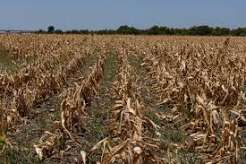
Europe is grappling with an intense and prolonged heatwave that is placing enormous pressure on the agricultural sector, with farmers across several countries reporting crop stress, rising irrigation needs, and increasing concerns about livestock health. The unusually high temperatures, combined with limited rainfall and declining water reserves, are expected to reduce yields of major crops such as wheat, maize, and fruits, raising fresh concerns about food production and farm incomes.
Meteorological agencies have warned that temperatures in several parts of Southern, Central, and Western Europe have climbed well above seasonal averages. The extreme weather has accelerated soil moisture loss, leaving many agricultural fields dry during critical crop growth stages. Farmers are facing difficult decisions as they struggle to balance irrigation requirements with tightening water restrictions imposed by local authorities.
Wheat-growing regions are among the hardest hit. Although some early-harvested wheat fields may escape severe losses, crops that are still maturing are experiencing heat stress, which can reduce grain filling and lower overall productivity. Maize, a crop highly dependent on adequate soil moisture during the growing season, is particularly vulnerable. Extended periods of high temperatures can significantly reduce pollination success and kernel development, ultimately affecting both yield and quality.
Fruit growers are also reporting challenges. Orchards producing apples, peaches, grapes, and citrus fruits are facing increased risks of sunburn damage, premature fruit drop, and reduced fruit size. Higher temperatures may also accelerate ripening, shortening harvest windows and creating additional logistical challenges for producers and supply chains.
Livestock farmers are equally concerned as heat stress affects the health and productivity of animals. Dairy cattle typically produce less milk during periods of extreme heat, while poultry and pigs become more susceptible to dehydration and disease. Farmers are increasing ventilation, providing additional water, and adjusting feeding schedules to help animals cope with the harsh conditions. However, these measures also raise production costs at a time when many producers are already dealing with elevated energy and input expenses.
Water availability has become one of the biggest challenges across affected regions. Reservoirs, rivers, and groundwater sources are under increasing pressure as irrigation demand rises sharply. Several local governments have introduced restrictions on agricultural water use to protect drinking water supplies and preserve natural ecosystems. While these measures are necessary, they add further uncertainty for farmers trying to protect their crops during the peak growing season.
Agricultural experts warn that the recurring pattern of extreme heat events highlights the growing impact of climate change on European farming. More frequent and intense heatwaves are forcing producers to adopt climate-resilient farming practices, including drought-tolerant crop varieties, precision irrigation systems, improved soil moisture conservation techniques, and diversified cropping systems.
Governments, research institutions, and farming organizations are also working to strengthen climate adaptation strategies by investing in water-efficient technologies, expanding weather forecasting services, and supporting farmers through financial assistance and risk management programs.
While the full impact of this year’s heatwave will only become clear after harvest, the current conditions underscore the vulnerability of agriculture to extreme weather. As Europe continues to face rising temperatures and prolonged dry spells, building resilient agricultural systems will be critical to safeguarding food security, protecting rural livelihoods, and ensuring sustainable food production in the years ahead.


 By
By











