World food commodity prices eased in September, according to the latest data from the United Nations’ Food and Agriculture Organization (FAO). The FAO Food Price Index, which tracks monthly changes in the international prices of a basket of food commodities, fell to 128.8 points in September from 129.7 in August.
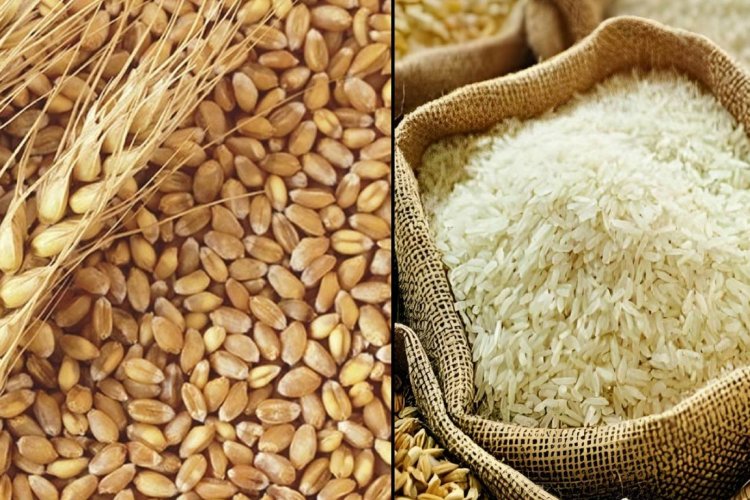
The decline was primarily driven by lower prices for sugar, dairy products, and cereals. Analysts suggest that improved harvests and increased supply contributed to the reduction in cereal and sugar prices, while dairy markets experienced a seasonal easing.
However, the report highlighted that meat prices continued to rise, reaching a new record high. Rising production costs and tight supply in some regions were cited as key factors behind the upward pressure on meat prices.
The FAO noted that while the overall index showed a slight dip, global food markets remain volatile, with varying trends across different commodity groups.
“Consumers may benefit from slightly lower prices for cereals, sugar, and dairy, but continued increases in meat prices are a concern,” said FAO analysts. “Policymakers need to monitor these developments closely to ensure food security remains stable.”
The FAO Food Price Index provides a valuable benchmark for assessing global trends in food costs and inflation, influencing everything from household budgets to international trade policies.

 By
By