The Food and Agriculture Organization (FAO) has released its latest report on employment indicators within global agri-food systems, providing insight into workforce trends, rural livelihoods, and labor market transitions. The findings emphasize both the opportunities and challenges faced by agricultural and food-sector workers in a rapidly changing economic and technological environment.
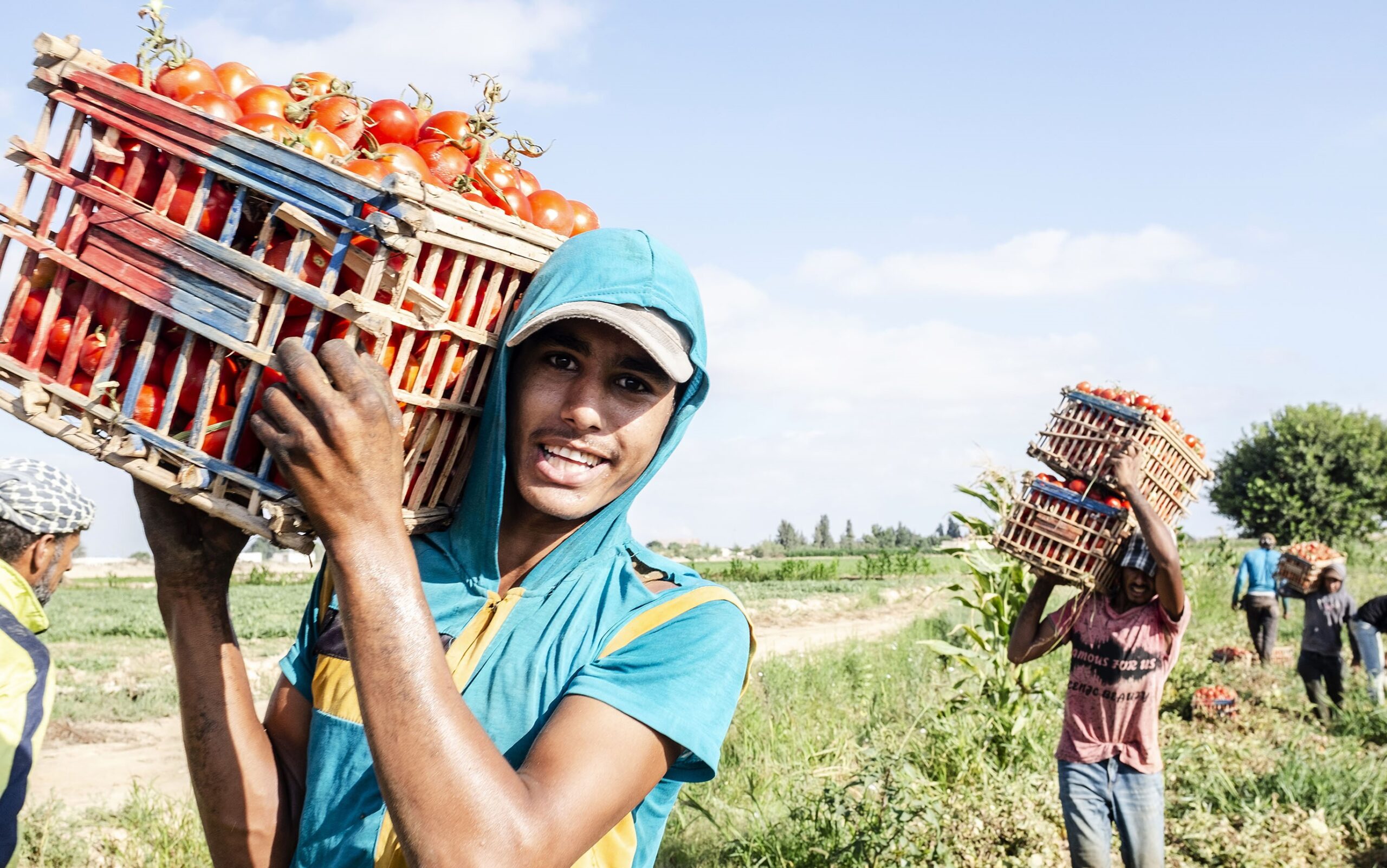
According to the report, agriculture continues to play a critical role in rural employment, particularly in developing regions where a significant proportion of the population relies on farming and related activities for income. However, structural changes in agri-food systems, including mechanization, digitalization, and supply chain modernization, are reshaping labor demand, creating a need for new skill sets and adaptive workforce policies.
The FAO notes that while overall employment in primary agriculture may be declining in some regions due to mechanization, opportunities are growing in food processing, logistics, and agribusiness sectors. Young workers, in particular, are increasingly engaged in roles that require technological proficiency, entrepreneurial skills, and knowledge of sustainable farming practices.
Rural livelihoods remain closely tied to the resilience of agri-food systems. The report highlights the importance of targeted policies that support income diversification, social protection, and access to training for smallholder farmers. Programs that integrate digital tools and climate-smart techniques are helping workers adapt to changing environmental conditions while maintaining productivity and competitiveness.
Gender dynamics are also a focus, with women representing a substantial portion of the agri-food workforce yet often facing disparities in wages, access to land, and opportunities for advancement. The FAO emphasizes the need for inclusive policies that promote equitable participation and capacity building across all segments of the labor force.
The report further underscores the impact of global challenges such as climate change, trade fluctuations, and market shocks on employment in agri-food systems. Ensuring a smooth transition for workers affected by these shifts requires coordinated efforts between governments, private sector actors, and development organizations.
Overall, the FAO’s employment indicators offer a comprehensive snapshot of global agri-food labor trends, highlighting the need for adaptive policies, skills development, and investment in sustainable rural livelihoods. As agri-food systems evolve, supporting a resilient, inclusive, and skilled workforce is essential to ensuring food security and economic stability worldwide.


 By
By