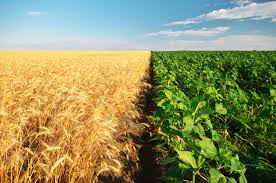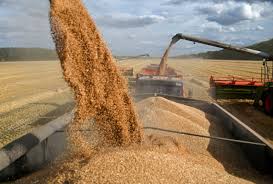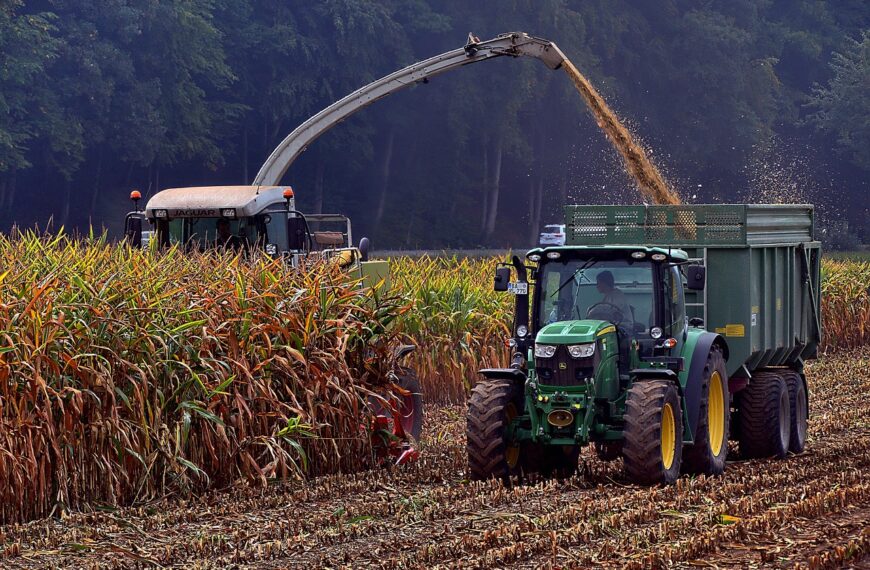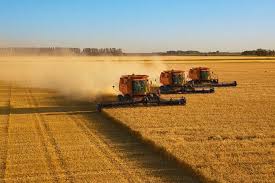
The Food and Agriculture Organization (FAO) has projected a significant rise in global cereal production for 2025, signaling stronger food security prospects and a more stable supply outlook. According to the latest FAO assessment, cereal output—including wheat, maize, rice, and coarse grains—is expected to grow substantially across major producing regions, driven by favorable weather forecasts, expanded planting areas, and improved crop yields.
One of the most notable indicators in the FAO’s forecast is the global stocks-to-use ratio, which is projected to reach approximately 31.1% in 2025. This would mark the highest level since the 2017/18 season, reflecting a healthier balance between supply and demand. A rising stocks-to-use ratio generally suggests that countries will have more buffer stocks available to manage price volatility or respond to unforeseen disruptions such as droughts, conflicts, or trade restrictions.
FAO analysts attribute the anticipated growth in cereal stocks to strong harvest expectations in both developed and developing regions. In North America and parts of Europe, improved rainfall patterns and stable fertilizer supplies are set to boost wheat and barley yields. Meanwhile, several Asian countries are on track for record rice production due to enhanced irrigation systems and wider adoption of high-yielding varieties. In South America, maize output is likely to increase following expanded sowing areas and back-to-back favorable crop cycles.
The forecast also reflects easing pressures on international grain markets. Over the past few years, global cereals faced instability due to extreme weather events, logistical challenges, and geopolitical tensions affecting major exporters. The new outlook suggests a moderating trend in global prices, which could offer relief to food-importing nations that struggled with higher costs during recent market fluctuations.
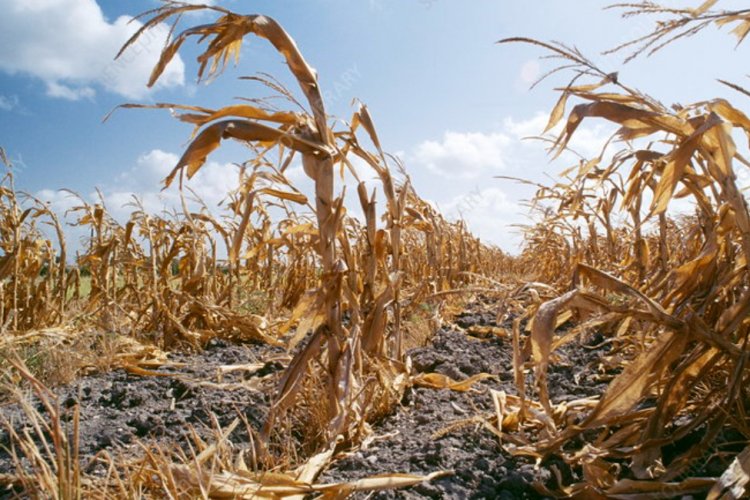
However, the FAO cautions that despite the positive projections, risks remain. Climate change continues to threaten crop reliability through unpredictable weather patterns such as heatwaves, floods, and prolonged dry spells. Additionally, ongoing conflicts in some regions may hinder harvests or disrupt supply chains, potentially limiting the distribution of cereals to global markets.
Even with these concerns, the upbeat forecast provides an encouraging signal for policymakers, traders, and farmers worldwide. With global cereal stocks projected to climb to their highest point in nearly a decade, the outlook for 2025 points to a more resilient and better-supplied food system.

 By
By