

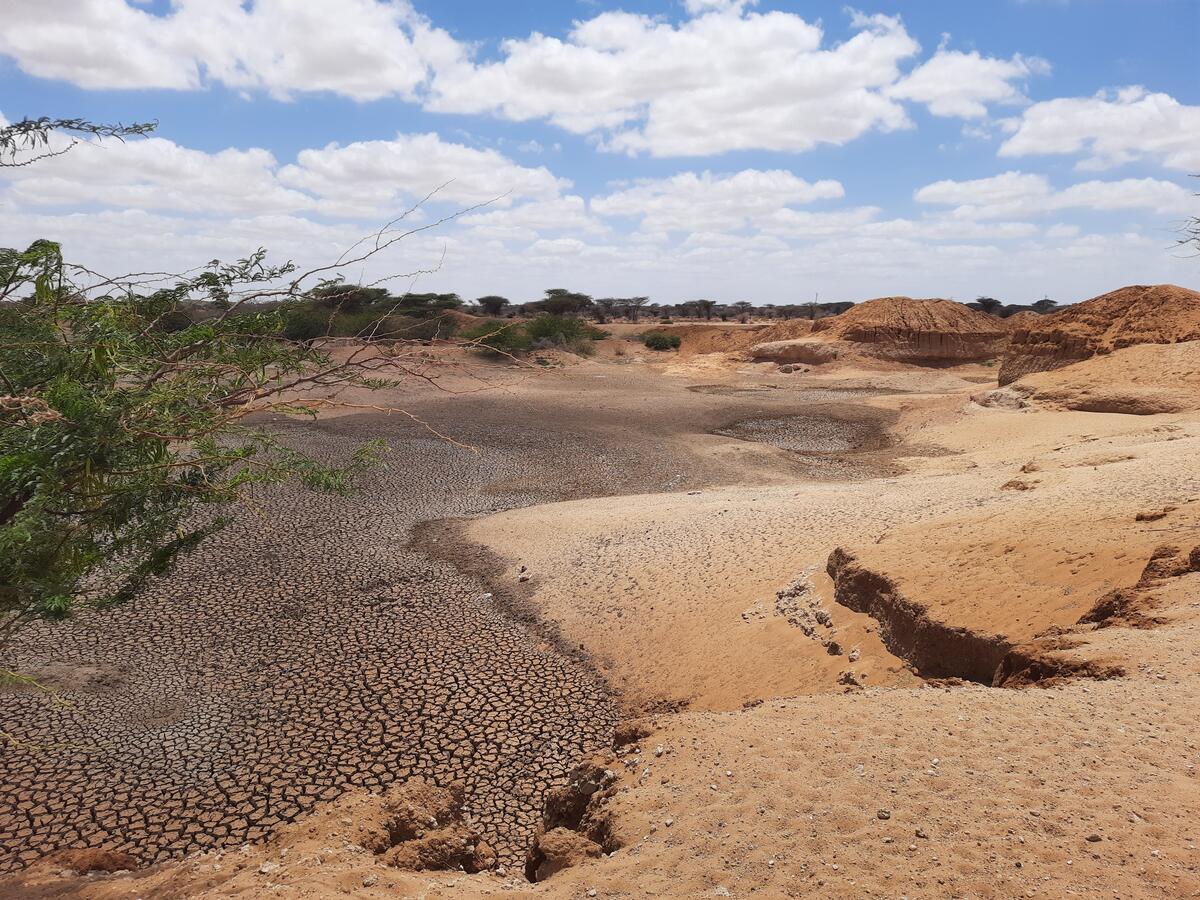
The Food and Agriculture Organization of the United Nations (FAO) has released a new report revealing that nearly 1.7 billion people worldwide are living in areas severely affected by land degradation, where crop yields are approximately 10% lower than average due to humaninduced damage. The findings, published in FAO’s latest State of Food and Agriculture (SOFA) report, highlight the growing threat of soil erosion, declining soil carbon, and water loss to global food security.
According to the FAO, extensive deforestation, overgrazing, unsustainable farming practices, and urban expansion are accelerating the decline in soil fertility and productivity. These factors have already reduced the land’s natural capacity to produce food, affecting millions of smallholder farmers and rural communities whose livelihoods depend directly on agriculture.
“Healthy land and soil are fundamental for food production, yet they are being degraded faster than they can recover,” the FAO report stated. The organization warned that if current trends continue, the world could face more frequent food shortages, reduced agricultural resilience, and higher production costs in the coming decades.
The report also noted that land degradation contributes to climate change, as degraded soils release stored carbon into the atmosphere, further intensifying global warming. FAO emphasized the urgent need for sustainable land management practices, such as conservation agriculture, reforestation, soil restoration programs, and improved water management systems.
FAO called on governments, private sectors, and international organizations to prioritize land restoration in their national policies and invest in technologies that promote soil health. “Restoring degraded lands is not only an environmental necessity but an economic opportunity,” the organization stressed, adding that every dollar invested in land restoration could yield multiple returns through improved yields, biodiversity, and climate resilience.
The report serves as a critical reminder that reversing land degradation is essential for ensuring global food security, protecting ecosystems, and sustaining the livelihoods of billions who depend on agriculture for survival.


 By
By











