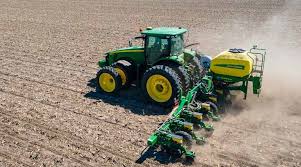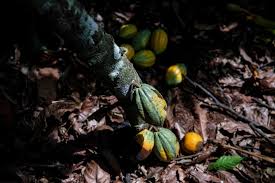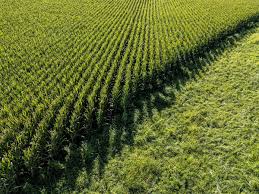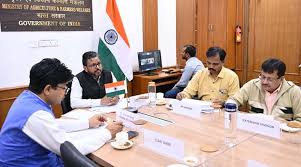
The Food and Agriculture Organization of the United Nations (FAO) has reported a significant acceleration in agricultural mechanization across African countries, highlighting it as a key driver for improving farm productivity, sustainability, and inclusivity. The push is being supported through targeted FAO programmes that prioritise appropriate, affordable, and climate-smart mechanization, with special emphasis on tools designed for women and youth.
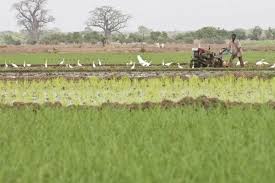
According to FAO, mechanization is increasingly seen as essential for transforming African agriculture, where smallholder farmers still rely heavily on manual labour. Limited access to machinery has long constrained productivity, increased post-harvest losses, and discouraged young people from entering farming. By promoting scale-appropriate equipment—such as two-wheel tractors, planters, threshers, and small harvesters—countries are working to reduce drudgery while improving efficiency across production systems.
A notable focus of current initiatives is gender-responsive mechanization. FAO-supported programmes are encouraging the adoption of tools that are ergonomically suitable and affordable for women farmers, who make up a substantial share of the agricultural workforce but often lack access to machinery and finance. Labour-saving technologies for land preparation, weeding, processing, and water management are helping to free up time for income-generating activities and improve household food security.
Youth engagement is another central pillar of the mechanization drive. FAO is supporting mechanization service models, where young entrepreneurs provide equipment rental and maintenance services to farming communities. These models lower the cost barrier for smallholders while creating rural employment opportunities, making agriculture more attractive as a business for younger generations.
The mechanization push is also aligned with sustainability goals. FAO is promoting conservation agriculture equipment that supports minimum tillage, precise input use, and improved soil health. When combined with better agronomic practices, mechanization can help reduce land degradation, enhance climate resilience, and improve resource-use efficiency.
Several African governments are integrating mechanization into national agricultural investment plans, supported by FAO’s technical guidance, policy advice, and capacity-building efforts. This includes strengthening local manufacturing and repair ecosystems to ensure long-term access and affordability of machinery.
FAO notes that while challenges remain—particularly around financing, skills training, and infrastructure—the growing commitment to inclusive and sustainable mechanization marks an important step forward. By tailoring mechanization strategies to local conditions and social realities, African countries are laying the groundwork for more productive, resilient, and equitable farming systems.

 By
By