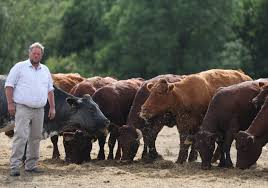
At the annual Southern Farm Show, agricultural leaders in North Carolina underscored the urgency of expanding permanent farmland preservation programs amid accelerating residential and commercial development pressures.
Addressing farmers, agribusiness representatives, and policymakers, officials from the North Carolina Department of Agriculture and Consumer Services highlighted the rapid pace at which productive farmland is being converted into housing subdivisions and infrastructure projects. With the state experiencing sustained population growth—particularly around metropolitan areas such as Raleigh and Charlotte—prime agricultural acreage is increasingly at risk.
North Carolina’s agriculture sector contributes billions annually to the state economy, supporting row crops, livestock, poultry, and specialty commodities. However, officials warned that once farmland is developed, it rarely returns to agricultural use. Permanent conservation easements, voluntary agricultural districts, and state-supported preservation trusts were cited as key instruments to ensure long-term land protection.
The state’s Farmland Preservation Trust Fund, administered in partnership with county governments and landowners, has already protected tens of thousands of acres. Leaders at the event emphasized the need to scale up funding allocations and strengthen collaboration between state agencies and local planning boards. Strategic land-use planning, they argued, must balance economic development with food production capacity and rural heritage preservation.
Beyond economic considerations, speakers pointed to national food security and supply chain resilience as compelling reasons for farmland conservation. With climate volatility, global trade disruptions, and geopolitical uncertainty affecting agricultural markets, maintaining a stable domestic production base is increasingly viewed as a strategic priority.
Farm advocates also stressed generational transition challenges. Rising land prices driven by suburban expansion make it difficult for young and beginning farmers to acquire acreage. Expanding preservation easements can help stabilize land values and maintain affordability for agricultural use, while also ensuring environmental stewardship.
In addition, farmland protection contributes to ecosystem services, including watershed protection, carbon sequestration, and biodiversity conservation. Agricultural land often acts as a buffer against urban sprawl, supporting groundwater recharge and reducing flood risks.
State agriculture leadership concluded that proactive preservation policy is essential to sustaining North Carolina’s position as a leading agricultural producer in the southeastern United States. As development pressures intensify, permanent farmland conservation is increasingly framed not merely as a rural issue, but as a long-term investment in economic stability, environmental resilience, and food system security.


 By
By