

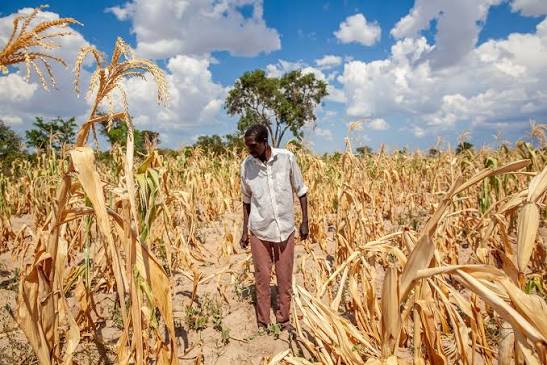
Global food security continues to face significant challenges as rising food prices, climate-related disasters, and geopolitical tensions disrupt agricultural production and supply chains. According to the World Bank, these interconnected pressures are increasing the risk of hunger and malnutrition, particularly in low- and middle-income countries, while reinforcing the need for greater investment in sustainable agriculture and improved access to fertilizers.
Food security depends on the availability, affordability, and accessibility of nutritious food. However, in recent years, extreme weather events, inflation, trade disruptions, and conflicts have made it increasingly difficult for millions of people to secure adequate food. The World Bank warns that without sustained action, these challenges could undermine progress toward ending global hunger and achieving the Sustainable Development Goals (SDGs).
Climate change remains one of the most significant threats to global agriculture. Rising temperatures, prolonged droughts, floods, heatwaves, and unpredictable rainfall patterns are reducing crop yields and damaging agricultural infrastructure in many parts of the world. Farmers are finding it increasingly difficult to maintain stable production, while water shortages and soil degradation are placing additional pressure on food systems.
Geopolitical tensions have further intensified global food insecurity by disrupting international trade, increasing transportation costs, and affecting the supply of essential agricultural inputs. Fertilizers, fuel, and animal feed have become more expensive in many regions, raising production costs for farmers and contributing to higher food prices for consumers.
The World Bank emphasizes that ensuring affordable access to fertilizers is essential for maintaining agricultural productivity. Fertilizers play a critical role in improving crop yields and supporting global food production. However, supply chain disruptions and volatile international markets have limited availability in several countries, particularly those heavily dependent on imports. Improving fertilizer access can help farmers increase productivity while supporting stable food supplies.
To address these challenges, governments and international organizations are increasing investments in sustainable agriculture. These efforts include promoting climate-smart farming practices, improving irrigation infrastructure, supporting soil health management, encouraging precision agriculture, and developing climate-resilient crop varieties. Such measures help farmers produce more food while conserving natural resources and adapting to changing climate conditions.
Technology is also playing a growing role in strengthening food security. Digital agriculture, satellite monitoring, artificial intelligence, and early warning systems enable farmers to make better decisions, improve resource efficiency, and respond quickly to weather-related risks. Expanding access to these technologies is becoming an important part of global agricultural development strategies.
Smallholder farmers, who produce a significant share of the world’s food, remain central to improving global food security. The World Bank highlights the importance of providing these farmers with access to quality seeds, fertilizers, credit, insurance, markets, and extension services. Strengthening rural infrastructure and improving agricultural financing can help increase productivity while enhancing livelihoods in farming communities.
Experts also stress the importance of international cooperation in addressing food insecurity. Stable agricultural trade, coordinated humanitarian assistance, research collaboration, and investments in resilient food systems are essential for reducing future risks and ensuring reliable food supplies.
As global demand for food continues to grow alongside climate and economic challenges, strengthening agricultural resilience has become more important than ever. The World Bank’s assessment underscores that investments in sustainable farming, fertilizer availability, climate adaptation, and modern agricultural technologies will be critical to protecting food security, supporting farmers, and ensuring affordable, nutritious food for a growing global population in the years ahead.


 By
By











