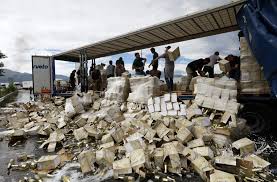
Winegrowers in southern France are preparing for large-scale demonstrations in Béziers, voicing growing frustration over the multiple pressures threatening the future of the country’s historic wine sector. Producers say they are facing an unprecedented crisis driven by climate change, recurring heatwaves, declining consumption, and rapidly rising production costs. In response, winegrower unions and regional associations are calling for immediate government intervention, including emergency aid, tax relief, and a long-term support plan to safeguard vineyards and livelihoods.
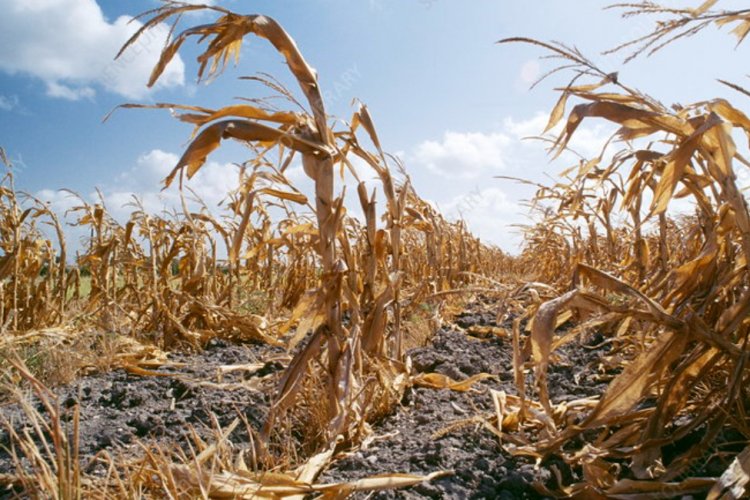
Growers argue that climate extremes are now directly impacting yields and grape quality. Recent summers have brought prolonged heatwaves, erratic rainfall, and increased disease pressure, all of which have disrupted traditional growing cycles. Many vineyards in Occitanie—France’s largest wine-producing region—have reported reduced harvests and higher costs for irrigation, pest control, and vineyard maintenance. Producers warn that without structural support, these climate impacts could become financially unsustainable for small and medium-sized growers.
In addition to weather challenges, winegrowers are grappling with surging production expenses. Prices for energy, fertilizers, packaging materials, and transportation have climbed steadily in recent years, squeezing profit margins. At the same time, domestic wine consumption has declined, reflecting broader shifts in consumer habits and growing competition from international markets. The combined effect has left many producers struggling to balance their books, prompting renewed appeals for targeted government assistance.
Organizers of the Béziers protest say their demands are clear. They are calling for a government-backed rescue package consisting of direct financial aid, temporary tax relief, and measures to help growers adapt to climate pressures, such as funding for improved irrigation systems, replanting programs, and research into heat-resistant grape varieties. They argue that without such support, the region risks losing part of its viticultural heritage and thousands of rural jobs dependent on the wine economy.
Local officials have acknowledged the severity of the crisis but have not yet announced new measures. However, agricultural unions caution that time is running out. They note that previous relief programs were limited in scope and failed to address long-term challenges, leaving growers vulnerable to ongoing climate shocks and economic volatility.
As preparations for the Béziers protest intensify, many in the wine sector view the demonstrations as a pivotal moment. Growers hope that by taking to the streets, they can push the government to act decisively. For them, the protest is not only about financial stability but also about preserving a centuries-old tradition that remains central to the culture and economy of southern France.


 By
By