Global agricultural commodity markets opened steady in early trading on February 18, with key benchmarks for grains and livestock reflecting closely watched price levels, according to a market update from Xinhua News Agency.
Wheat futures were quoted at 540.25 US cents per bushel, maintaining a range that traders continue to monitor amid ongoing supply adjustments in major exporting regions. Weather variability in key producing countries and shifting export demand patterns remain central factors influencing wheat market sentiment.
Soybeans were trading at 1,140.25 US cents per bushel, reflecting continued strength in oilseed demand. Global soybean markets remain sensitive to import requirements from large consuming nations, crush margins, and currency movements. Analysts note that oilseed pricing also impacts edible oil markets and livestock feed cost structures worldwide.
Corn futures were reported at approximately 427.25 US cents per bushel, positioning the feed grain within a relatively balanced demand-supply framework. Corn markets are closely tied to livestock feed demand, ethanol production trends, and seasonal crop outlooks across the Americas.
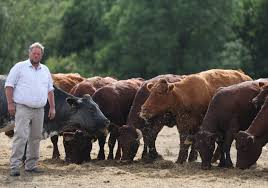
Meanwhile, live cattle prices stood at 246.55 US cents per pound, signaling firm conditions in the protein segment. Livestock markets are influenced by feed input costs, herd size adjustments, and consumer demand trends in both domestic and export markets.
These commodity benchmarks serve as critical reference points for global food systems. Grain and livestock prices directly affect farm incomes, export competitiveness, feed costs, and retail food inflation. Even modest price movements can have cascading impacts across supply chains, particularly in import-dependent economies.
Market participants continue to monitor weather developments, geopolitical factors, currency fluctuations, and macroeconomic indicators for potential volatility. As agricultural commodities remain foundational to global food security and trade flows, daily price updates provide essential signals for producers, traders, policymakers, and food industry stakeholders worldwide.

 By
By