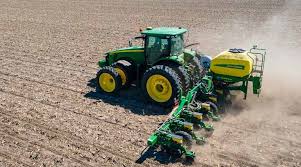
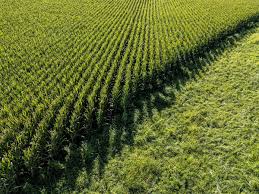
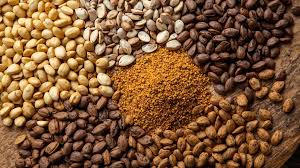
Global agricultural markets in 2025 are being shaped by a combination of record harvests, shifting trade patterns, and geopolitical tensions, according to recent analyses. U.S. corn exports have remained robust, supported by strong domestic production and high global demand, while soybean markets have faced pressure amid continuing trade frictions with China, one of the world’s largest importers.
Record grain harvests in major producing regions, including the United States, Brazil, and parts of Europe, have increased global supply and helped stabilize prices for several staple crops. Corn, wheat, and rice supplies are at historically high levels, providing relief to importing countries but also raising questions about long-term storage and distribution infrastructure. Analysts note that favorable weather conditions and technological advances in farming have contributed to the bumper yields, while improvements in logistics have allowed for more efficient international trade flows.
Despite the overall abundance, market dynamics vary by commodity. U.S. soybean exports, which traditionally rely on strong Chinese demand, have been disrupted by ongoing trade tensions and regulatory barriers, resulting in lower prices and reduced sales. Farmers in South America, particularly Brazil and Argentina, have stepped in to fill some gaps in global soybean supply, altering traditional trade routes and shifting competitive balances.
Global rice and wheat markets have experienced more stability, with harvests in Asia and Europe meeting domestic consumption needs and supporting moderate export growth. However, analysts caution that price volatility could return if extreme weather events or geopolitical conflicts disrupt supply chains.
The 2025 dynamics highlight the interconnected nature of global agriculture, where production trends, trade policies, and international relations intersect to influence food availability and market stability. Observers emphasize that maintaining resilient supply chains, addressing trade uncertainties, and supporting sustainable farming practices will be key to navigating the evolving landscape.
As the year progresses, attention will remain on how producers, governments, and traders respond to these trends, with implications for global food security, commodity pricing, and agricultural policy planning in the years ahead.

 By
By