The global agriculture outlook for 2026 points to a phase of relative stabilisation in commodity markets, but with persistent gaps across major crops, according to a recent commodities outlook. While overall supply chains are adjusting after years of volatility, uneven stock positions and shifting demand patterns continue to shape price dynamics across key agricultural markets.
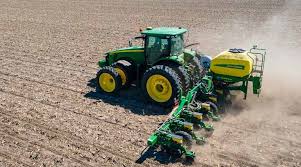
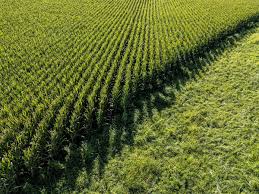
The outlook highlights tightening supplies of soybeans and corn, driven by a combination of weather-related production risks, steady demand from feed and biofuel sectors, and cautious farmer planting decisions in some exporting regions. Strong import demand from Asia and Latin America has further tightened availability, keeping prices supported despite expectations of improved yields in parts of the Americas. For feed and livestock industries, this tightening is likely to maintain cost pressures into 2026.
In contrast, wheat and sugar markets remain in surplus, reflecting consecutive seasons of strong production and ample carryover stocks. Major wheat exporters have benefited from favourable growing conditions and expanded acreage, resulting in comfortable global inventories. Similarly, sugar output has remained robust due to high production in leading producer countries and slower-than-expected growth in global consumption. These surplus conditions are expected to cap price upside, offering some relief to food processors and importing nations.
Among soft commodities, the outlook notes a sharp correction in cocoa prices, which have collapsed following earlier supply-driven rallies. Improved output prospects in key West African producing countries, along with demand adjustment at higher price levels, have contributed to the downturn. Market participants remain cautious, however, given the sector’s vulnerability to weather shocks and structural challenges such as ageing plantations.
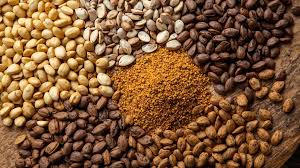
Coffee markets, meanwhile, are in a phase of adjustment. While prices have eased from recent highs, they continue to reflect tightness in certain origins and ongoing logistical and climate-related risks. Consumption growth in emerging markets and premium segments is providing support, even as producers respond with gradual supply increases.
Overall, the 2026 outlook suggests that global agricultural markets are moving away from extreme volatility toward selective stabilisation, but without full balance. Diverging supply conditions across commodities underline the importance of targeted risk management for producers, traders, and policymakers. Analysts note that weather uncertainty, geopolitical developments, and energy market trends will remain critical variables shaping agricultural prices and food security in the year ahead.

 By
By