

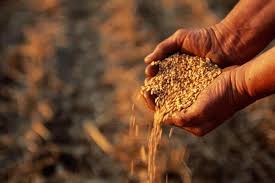
Global cereal production is projected to decline during the 2026/27 marketing season as lower wheat harvests in several major exporting countries weigh on overall grain output, according to the latest outlook from the Food and Agriculture Organization (FAO). The anticipated reduction is expected to tighten global grain supplies and keep international agricultural markets on alert.
The FAO estimates that world cereal production could fall by approximately 2 percent compared with the previous season. The decline is largely attributed to weaker wheat production in key exporting regions, where unfavorable weather conditions, reduced planted acreage, and climate-related challenges have affected crop prospects.
Wheat remains one of the world’s most important staple crops, serving as a primary food source for billions of people and a crucial ingredient in livestock feed and food processing industries. Any significant reduction in global wheat output can have far-reaching consequences for food security, trade flows, and market prices.
Agricultural analysts note that several leading wheat-producing countries have faced a combination of drought conditions, heat stress, and unpredictable weather patterns. These challenges have reduced yield expectations and raised concerns about export availability during the coming season. Lower production from major exporters could increase competition among importing nations seeking to secure grain supplies.
The projected decline in cereal production comes at a time when global food markets are already facing uncertainty from climate risks, geopolitical tensions, and fluctuating transportation costs. As grain supplies tighten, market participants expect continued volatility in international commodity prices.
Despite the anticipated drop in production, experts emphasize that global cereal stocks remain an important buffer against severe supply disruptions. However, inventories are expected to decline if consumption continues to outpace production. This could reduce flexibility in global markets and leave countries more vulnerable to future weather-related shocks.
The outlook is particularly significant for developing nations that rely heavily on imported grains to meet domestic food demand. Higher wheat prices and tighter supplies could increase food import costs and place additional pressure on government food assistance programs. Low-income consumers may also face rising food expenses if higher grain costs are passed through the supply chain.
Meanwhile, governments and agricultural organizations are encouraging farmers to adopt climate-resilient production practices, including improved water management, drought-tolerant crop varieties, and precision farming technologies. Such measures are increasingly viewed as essential tools for maintaining productivity under changing climate conditions.
The FAO also highlighted the importance of international cooperation and transparent agricultural trade policies to ensure stable food supplies and reduce the risk of market disruptions. Efficient trade flows can help offset regional production shortfalls and support food security in vulnerable countries.
As the 2026/27 season progresses, weather developments in major grain-producing regions will remain a key factor influencing production outcomes. While the projected decline is relatively modest, the expected tightening of global grain supplies underscores the growing importance of resilient agricultural systems in an era of increasing climate uncertainty.


 By
By











