A new report by World Animal Protection has revealed that government agricultural subsidies around the world are continuing to drive factory farming, deforestation, and poor animal welfare practices, despite growing global calls for sustainable food systems.
According to the report, a large share of the billions of dollars in public funds provided annually to the agriculture sector is being funneled into intensive livestock production, encouraging environmentally destructive and ethically questionable practices. The organization warns that such subsidies are not only harming animals but also accelerating climate change and damaging ecosystems.
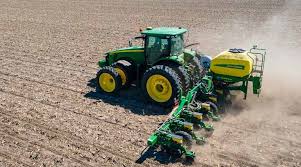
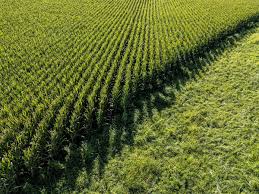
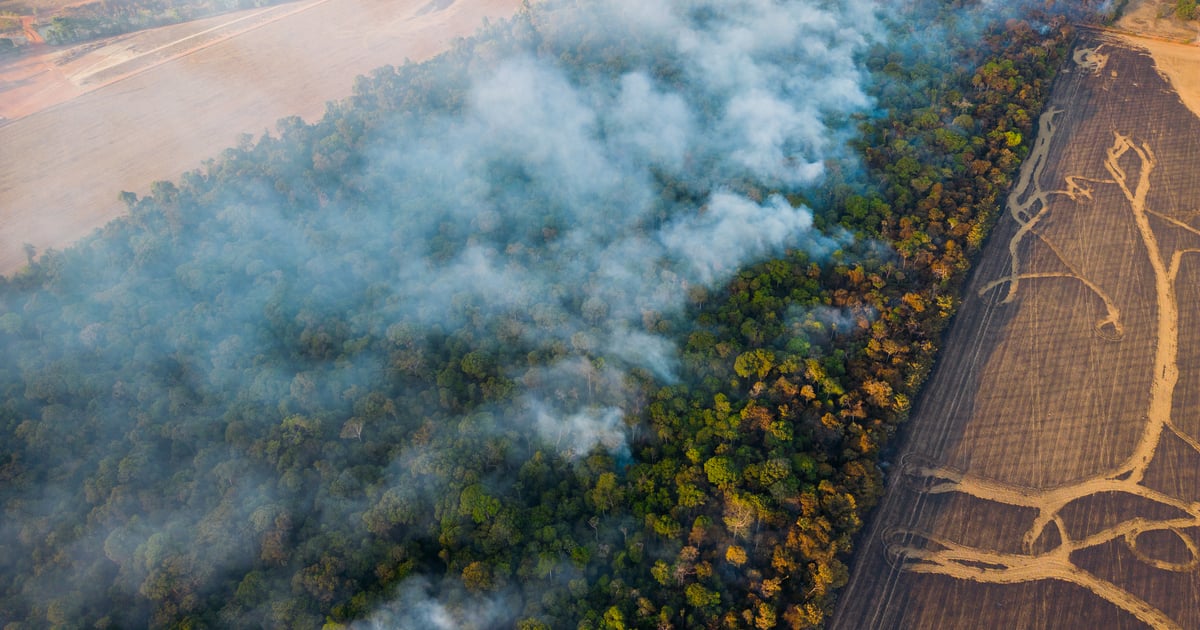
“Instead of supporting sustainable farming, current subsidy structures reward industrialscale operations that rely on mass animal confinement, land clearing, and overuse of feed crops,” said a spokesperson for World Animal Protection. The report highlights how subsidies for meat and dairy industries often promote overproduction, leading to increased deforestation for soy and maize cultivation used in animal feed.
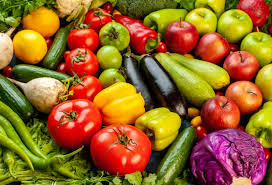
The findings also link intensive animal farming to rising greenhouse gas emissions, soil degradation, and biodiversity loss. The report urges governments to reform agricultural subsidy systems to prioritize plantbased food production, regenerative agriculture, and higher animal welfare standards.
World Animal Protection emphasized that redirecting subsidies toward sustainable farming models could reduce emissions, protect forests, and improve global food security. The group is calling for a “just transition” in food systems one that supports farmers financially while encouraging ethical, climatefriendly, and humane agricultural practices.
“Public money should not fund cruelty or environmental destruction,” the report concluded. “Redirecting these funds toward sustainable solutions is essential to protecting animals, people, and the planet.”

 By
By